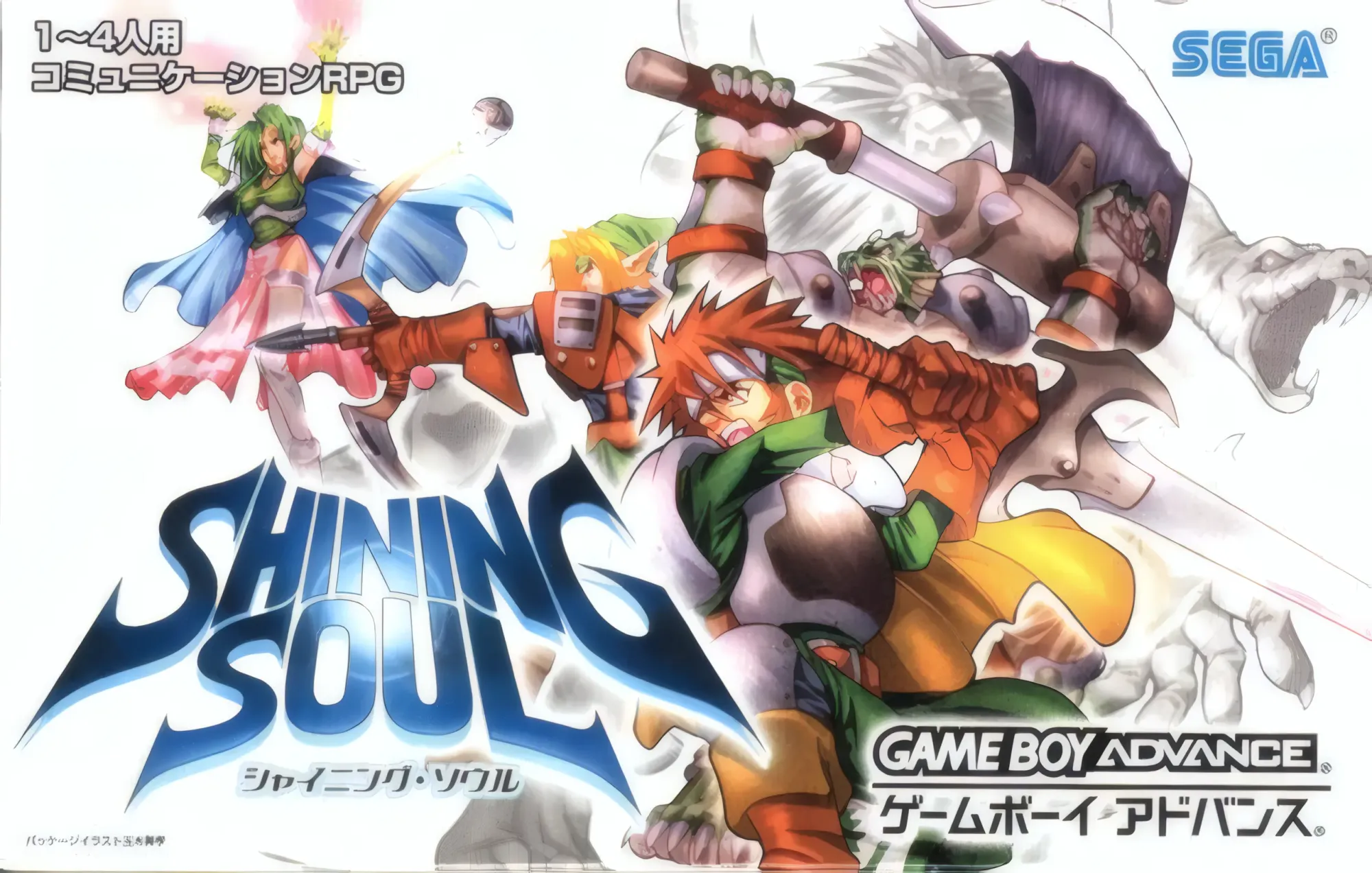
Shining Soul GBA: The Forgotten Suda51 RPG That Still Holds Up
It’s not often a creator nails it in just one area. Goichi Suda, or Suda51, is famous for his wild, dark, and twisty games with crazy characters. But get this: way before Killer7 made him a legend and No More Heroes had everyone swinging beam katanas, he worked on something much simpler and, surprisingly, super chill.
Back in the day, SEGA was still a big deal in the game console world. They had some clout, but they weren’t exactly crushing it with RPGs. Later on, Yakuza and the Megaten series boosted their game library. But by then, they were already out of the hardware biz. In the early 2000s, SEGA switched gears. They stopped making consoles and put their energy into bringing back old RPG series for gamers in Japan.
That’s how the Shining series ended up on the super popular Game Boy Advance.
Two games came out of this. Suda51, who wasn’t yet the superstar we know today, was one of the people behind them. Even with the GBA’s simple controls, he managed to make something almost meditative. It was all about making the most of what you had and finding a good rhythm. It turned limitations into something beautiful.
While the Shining series was a hit on the GBA, the world of gaming keeps changing, with completely new titles dominating today's landscape. You might be surprised by the Most Popular Games 2026: 20 Biggest Titles Dominating Right Now.
Table of Contents
How Suda51 Got Involved with Shining
Before Shining Soul, the Shining games were Hiroyuki Takahashi’s thing. He used to work at Enix and helped create Dragon Quest. Then, he and some other people from Enix and Chunsoft started their own company called Climax.
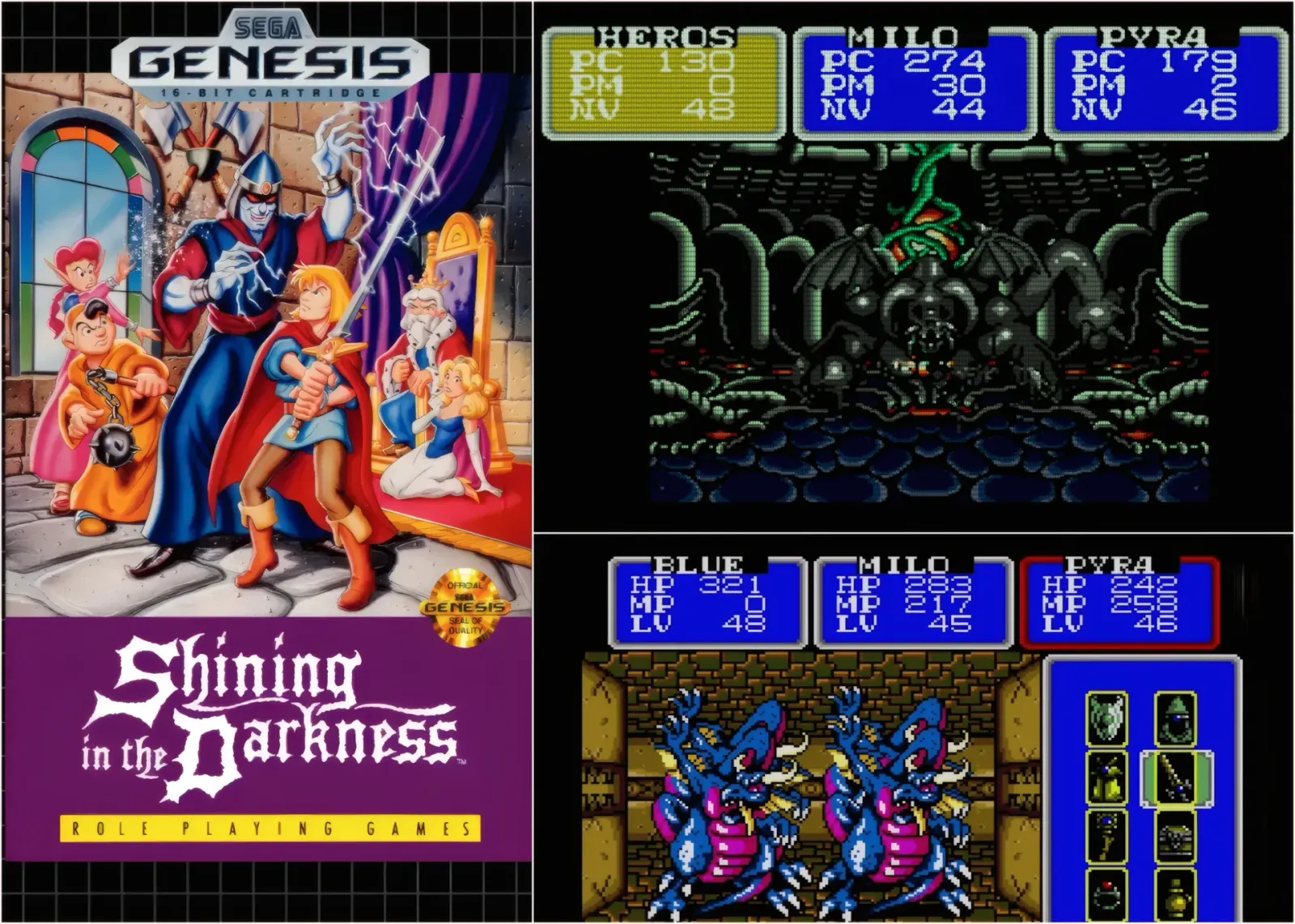
His first game, Shining in the Darkness for the Mega Drive, impressed SEGA so much that they reorganized things. Sonic! Software Planning was basically Climax but owned by SEGA. They got more money and could publish their own games. In just six years, they made nine games.
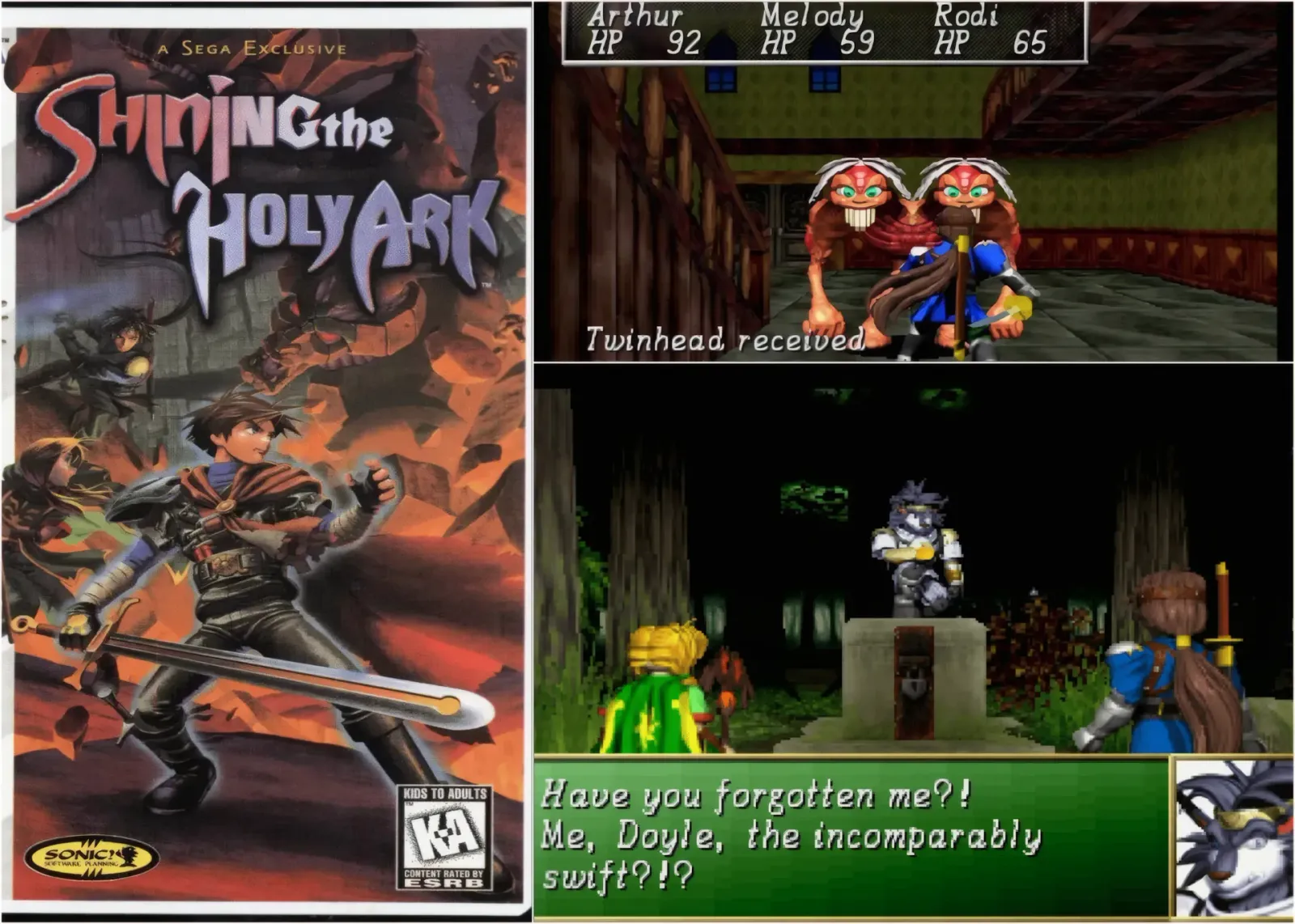
About halfway through this, Takahashi and his team left Sonic! Software Planning because of an agreement that stopped them from making games that would compete with Shining. SEGA kept Camelot Software Planning to keep the Shining series going. All this happened before the Saturn tanked.
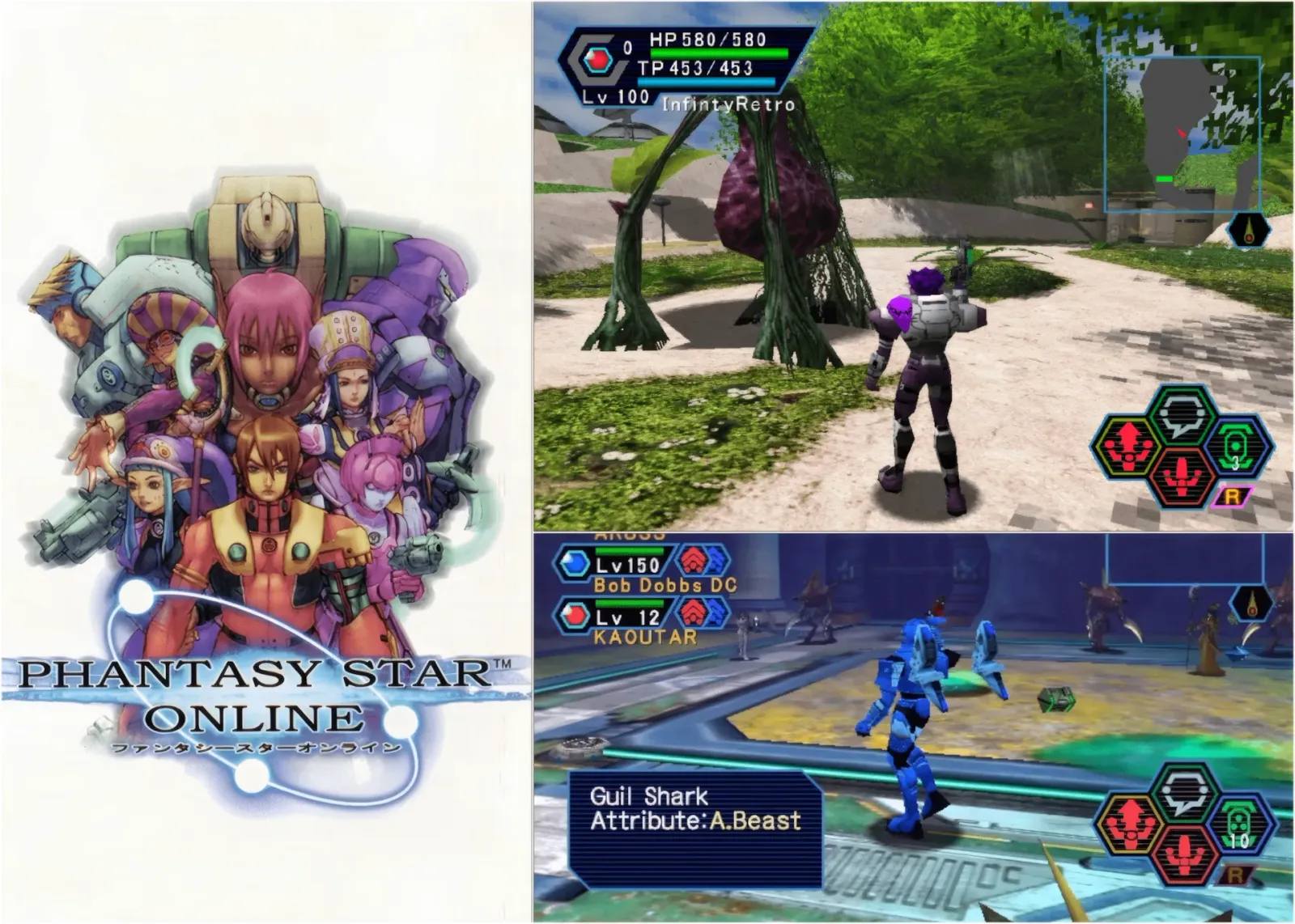
When SEGA’s next console, the Dreamcast, was about to launch, there were no Shining games ready. The company was more interested in Phantasy Star Online, another big RPG. The series went in different directions.
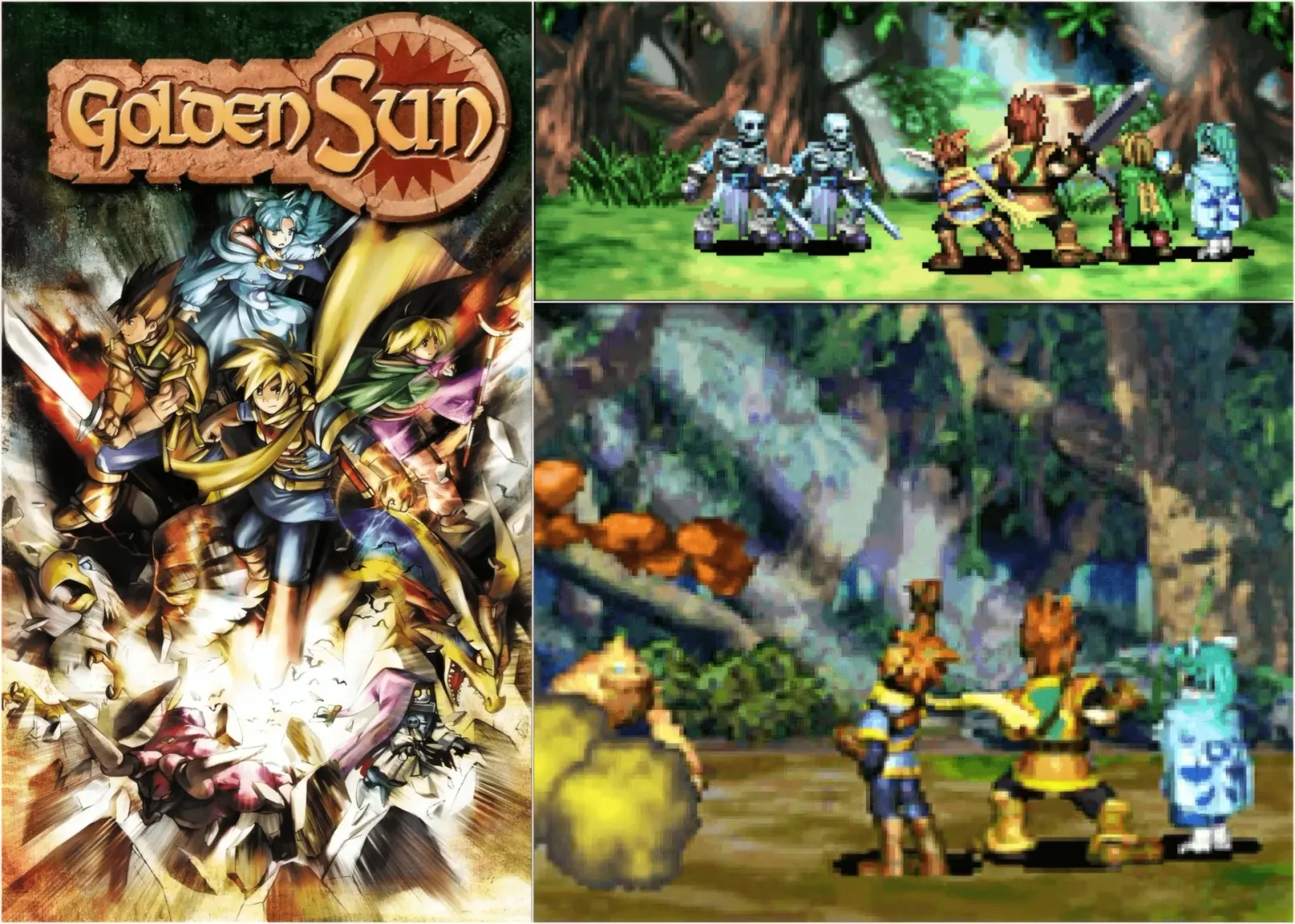
Camelot started working with Nintendo. Takahashi made Golden Sun, a beautiful RPG for the GBA that felt a lot like Shining. It had similar fonts, battle scenes, and a warm vibe. It was huge, looked amazing, and came out early in the GBA’s life. It was a big hit.
SEGA took notice.
If Shining was going to make a comeback, it would be on the same system.
Grasshopper’s First Steps
Takahashi wasn’t around anymore, so Nex Entertainment took over and hired Grasshopper Manufacture, which was just starting out, to help out. Yep, the same studio that’s now known for making super stylish and crazy games.
This led to Shining Soul in 2002.
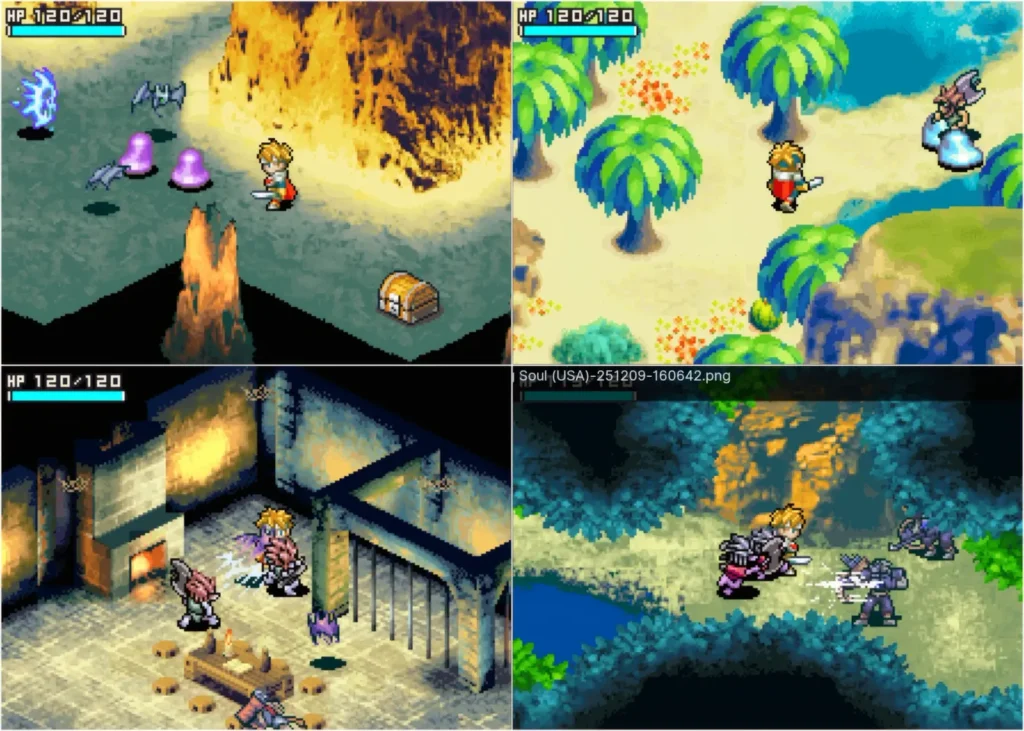
The first game was like a training exercise: a simple hack-and-slash game. You’ve got a main town, separate areas, and you just go from point A to point B, mostly grabbing potions. It wasn’t too hard. If you load up on healing items, you’re good to go.
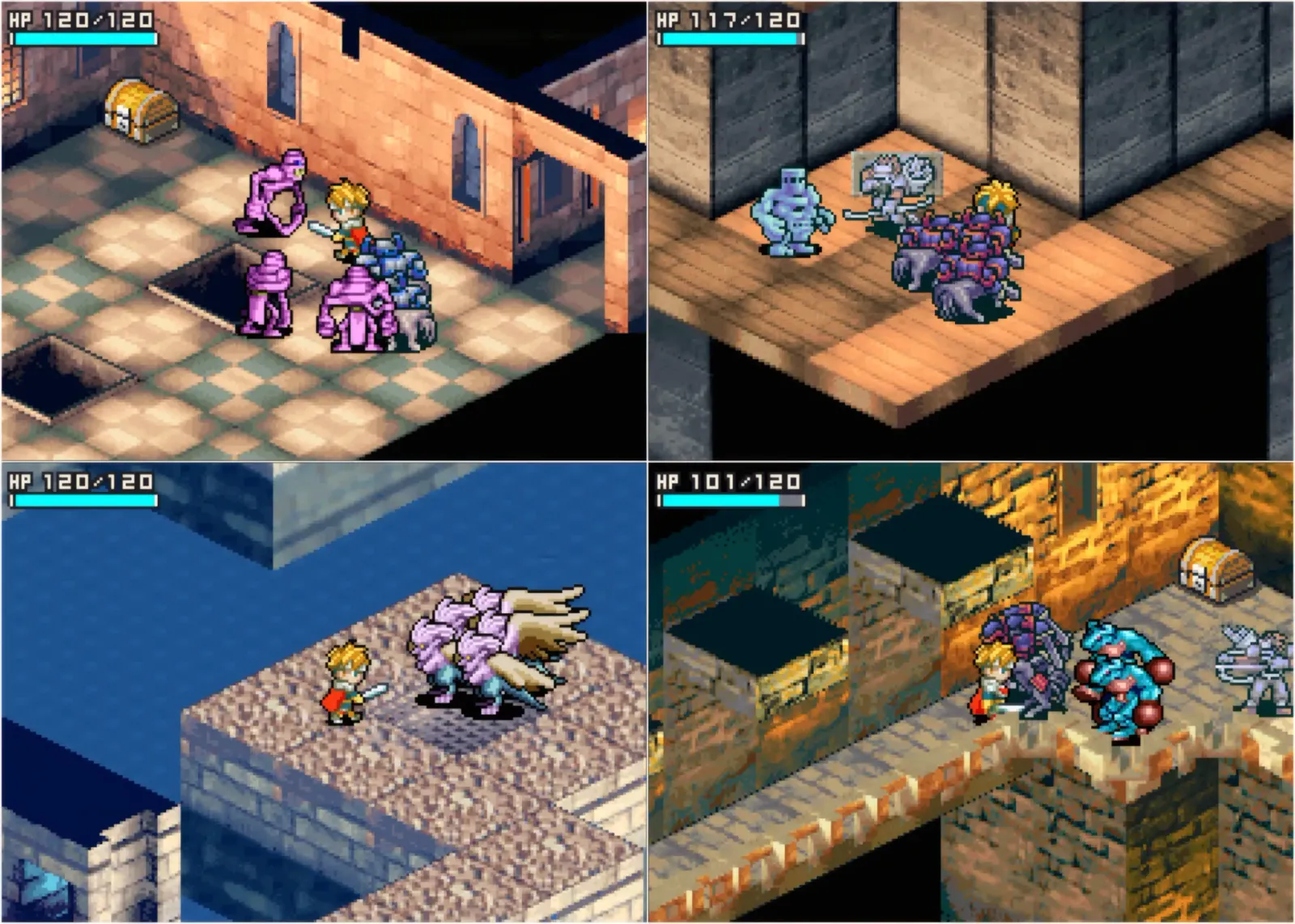
The enemies weren’t very smart. When they saw you, they just charged straight at you, making it easy to take them out. Compared to Baldur’s Gate: Dark Alliance on the GBA, where you had to think about your tactics, Shining Soul was pretty laid-back.
But that’s what made it so great.
The pixel art was really nice to look at. Playing with friends using a link cable was like a fun ritual. It wasn’t trying to be something it wasn’t. It was relaxing and almost therapeutic.
Shining Soul II—Better and Brighter
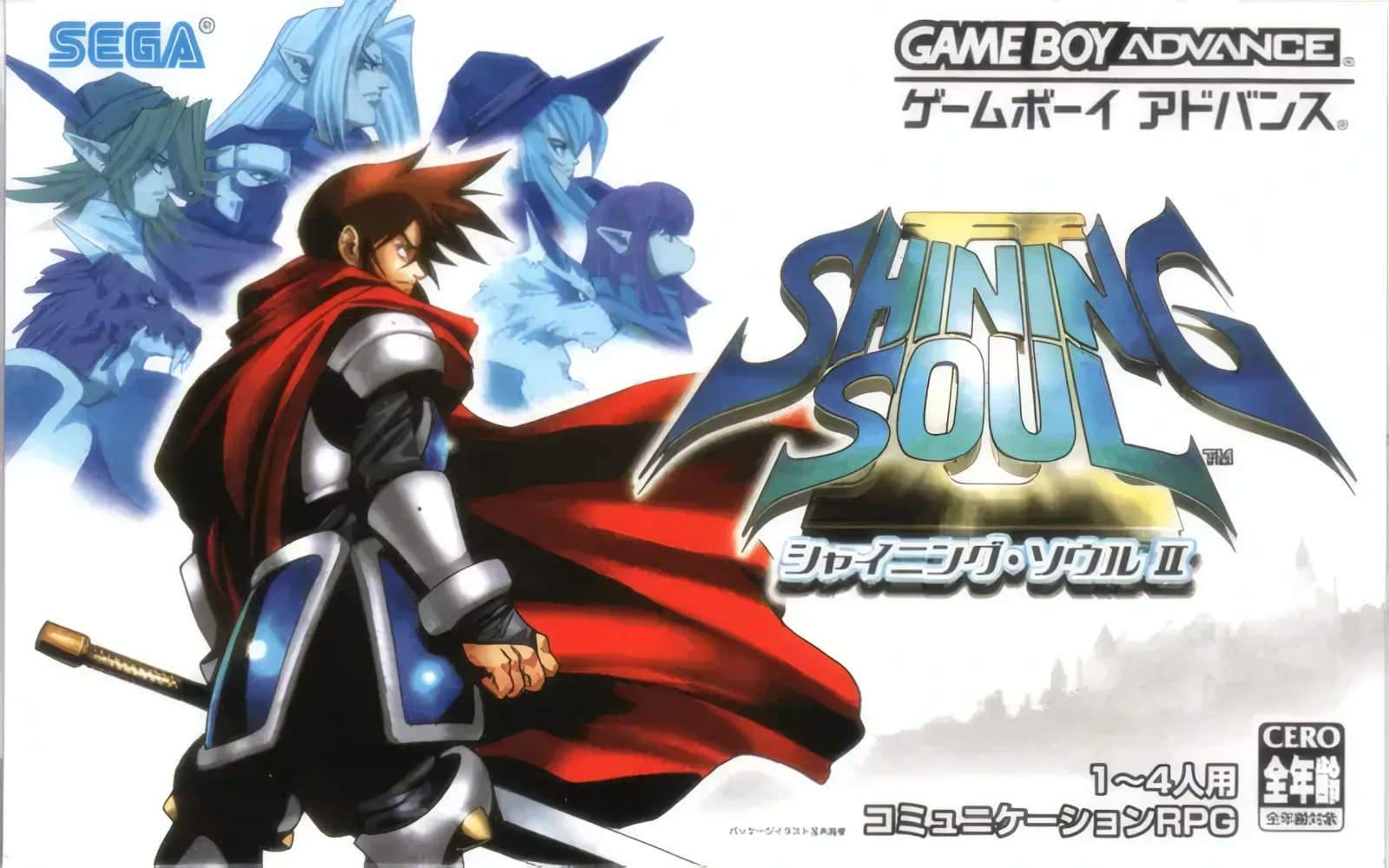
The sequel wasn’t just a small upgrade; it was a whole new game.
Shining Soul II is often mentioned as one of the best RPGs on the GBA, along with Golden Sun, Boktai, Sword of Mana, and Magical Vacation. It kept the same feel but added a lot more.
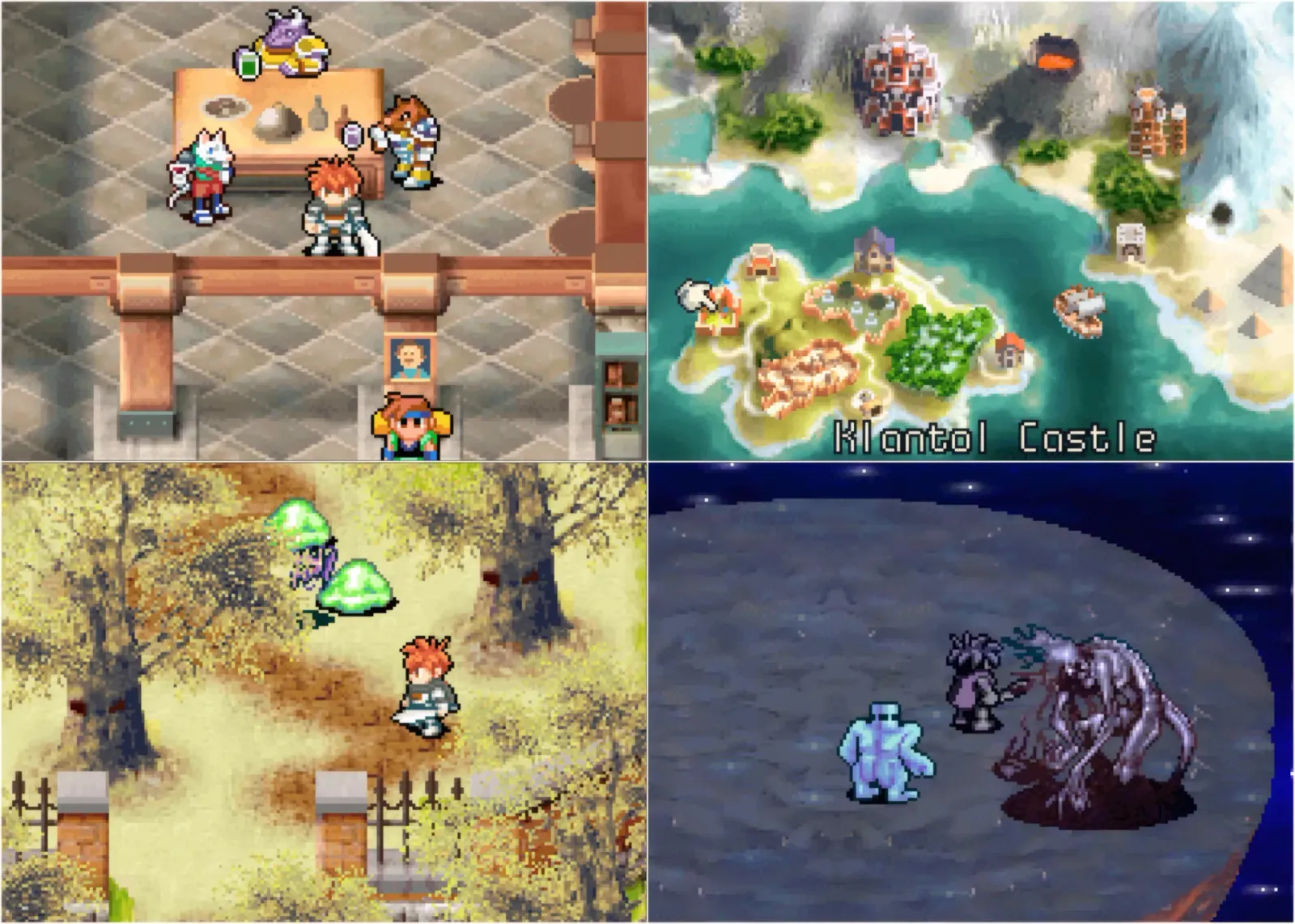
The graphics were sharper. There were more side quests. The level design was more creative.
You might see two zombies arguing about a tombstone, which they then move to show a hidden item. Or you might catch some goblins bragging as they show off stolen items, and you attack when they pull out the one you want. Fights felt less like a chore and more like a fun opportunity.
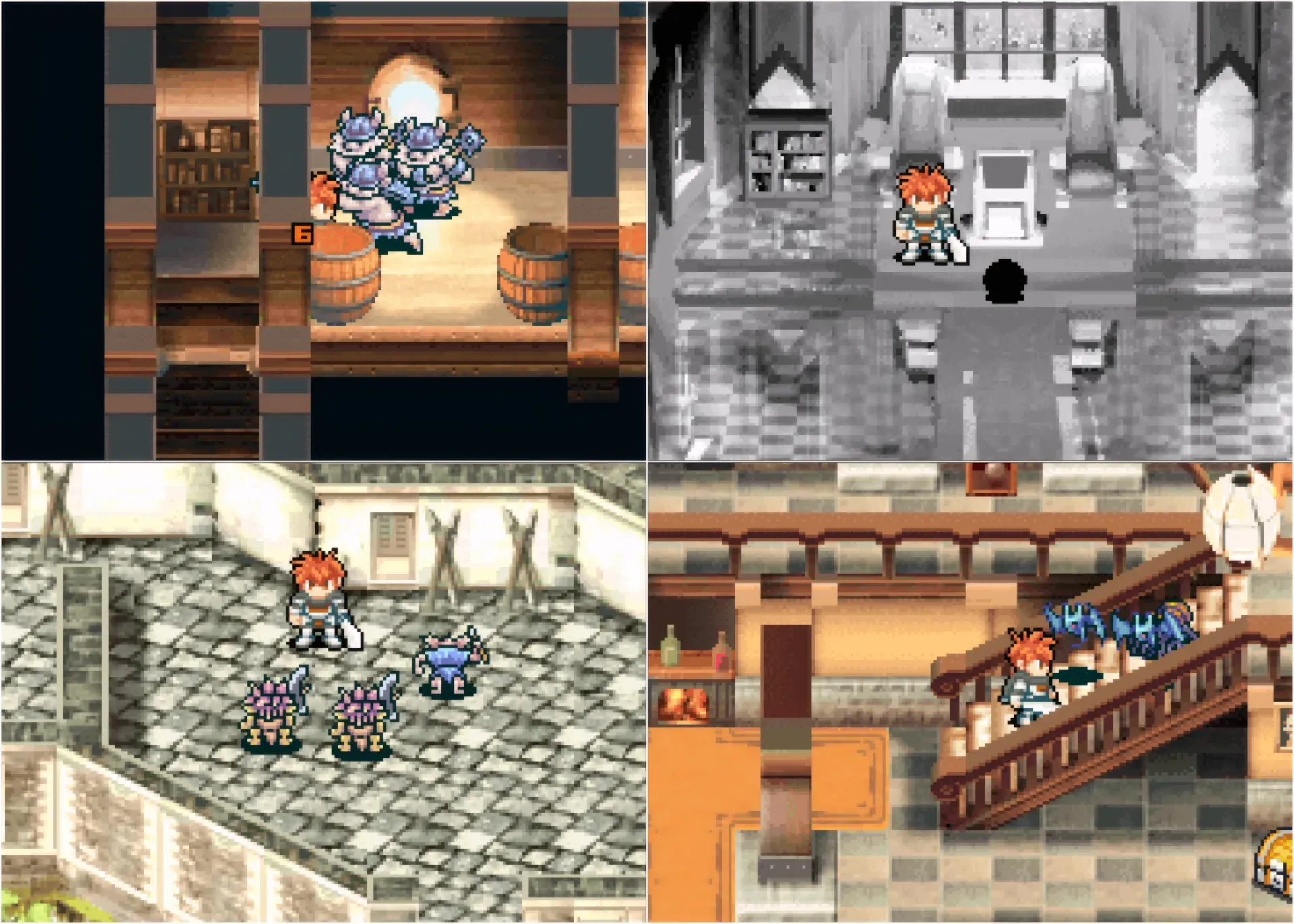
Combat was more involved. Bosses made you pay attention. There were more secrets to find. There were more characters to choose from. It was a fun action RPG.
What Happened to Shining After That
If you only look at the action RPG Shining games—Souls I & II, Tears, EXA—you’ll see that they were trying different things instead of sticking to what the series was known for. SEGA was trying out new ideas with its own series. They were fun and lively, but they were mostly just Shining games in name.
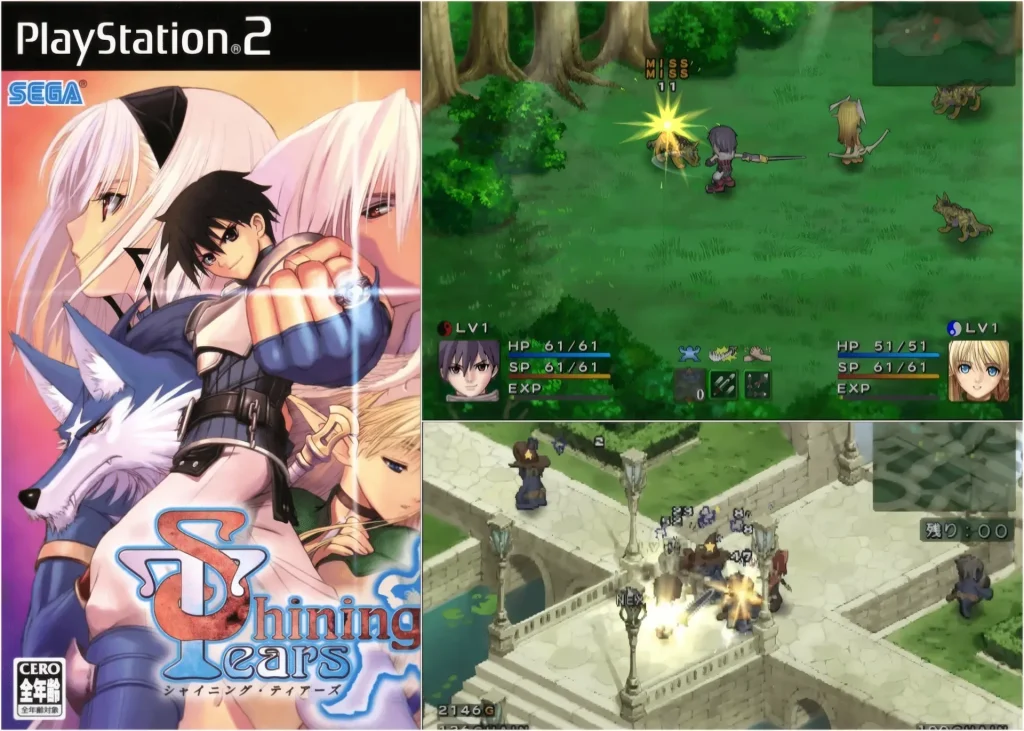
After SEGA stopped making consoles, they changed their strategy to be a publisher and developer. RPGs were still popular in Japan. Before Yakuza became huge and they bought Atlus, SEGA wanted to expand Phantasy Star and Shining. But neither one became a massive success.
Without the original creator, the series appeared on the GBA, DS, PSP, PS2, and PS3, with different art styles and character designers. It kept going, but it wasn’t a top-tier series. It eventually moved to mobile gaming. In 2019, they tried to bring back interest with an updated version of Shining Resonance on newer systems, but it didn’t really work.
Meanwhile, What Suda Was Doing
Goichi Suda kept moving forward.
A year after Shining Soul II, he worked with Shinji Mikami to make Killer7, which was a turning point. Suda said that creating games for the GBA taught him how to manage resources and made him pay more attention to how scenes were put together. These lessons helped him make the unique world of Killer7.
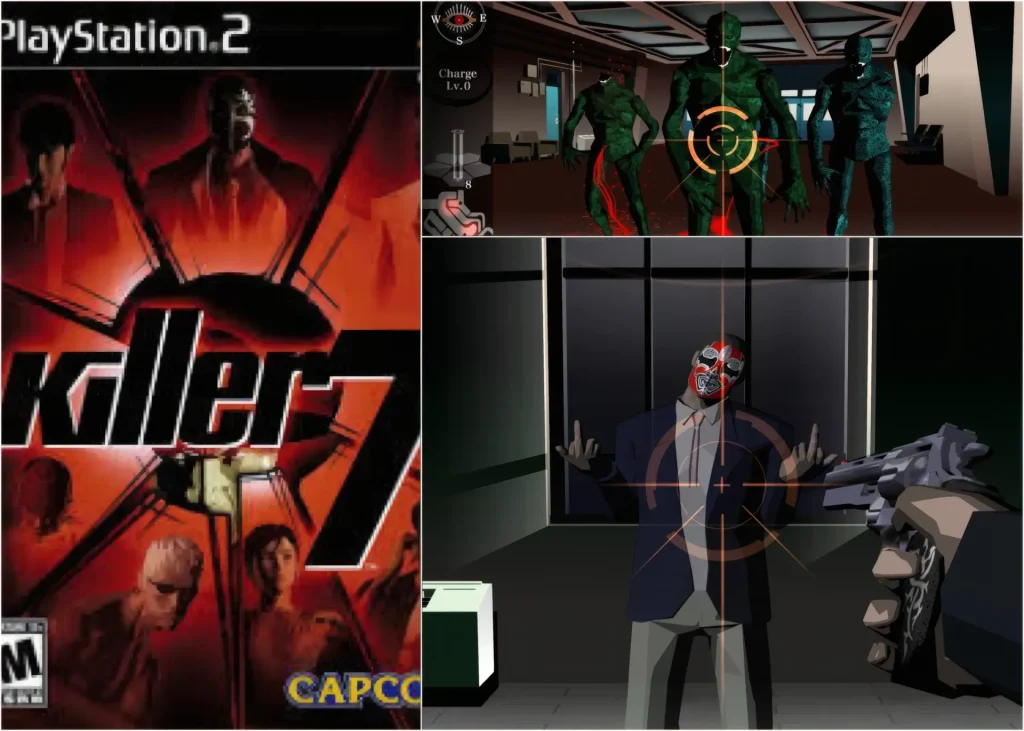
For him, limitations were a good thing.
If you’re tired of long, complicated games, maybe you should try something simpler. Something fast-paced. Something pure.
Load up Shining Soul II. You won’t regret it.
Sometimes, the best way to feel refreshed isn’t by playing something huge, but by playing something precise.
Conclusion
While games like Shining Soul GBA are harder to find today, modern players often look for better deals on other titles. Platforms like Difmark let you buy game keys, accounts, and in-game content at competitive prices, often cheaper than official stores, with secure transactions and buyer protection
FAQ
1. What is Shining Soul?
Shining Soul is a 2002 action RPG for the Game Boy Advance, developed with involvement from Grasshopper Manufacture. It reimagined SEGA’s Shining series as a hack-and-slash experience.
2. Was Suda51 really involved in Shining Soul?
Yes. Before becoming famous for Killer7 and No More Heroes, Goichi Suda (Suda51) worked with Grasshopper Manufacture on Shining Soul and its sequel.
3. How is Shining Soul different from earlier Shining games?
Earlier entries were more traditional strategy or turn-based RPGs. Shining Soul shifted the series toward a real-time, action-focused format with simpler structure and faster gameplay.
4. Is Shining Soul II better than the first game?
Most players consider Shining Soul II a major improvement. It added better level design, more quests, improved combat, and greater character variety.
5. Why is Shining Soul II considered one of the best GBA RPGs?
It combined smooth action gameplay, charming pixel art, co-op multiplayer, and meaningful exploration—placing it alongside titles like Golden Sun and Sword of Mana.
6. Does Shining Soul support multiplayer?
Yes. Both games supported co-op multiplayer via link cable, which was a standout feature on the GBA.
7. What happened to the Shining series after that?
After SEGA left the console market, the series experimented across multiple platforms with mixed results and eventually shifted toward niche and mobile releases.
8. Is Shining Soul worth playing today?
Yes—especially Shining Soul II. Its focused design, short sessions, and clean action still feel refreshing compared to many modern, oversized RPGs.
Source: Sakaguchi’s mustache