RTX 60 Series Leak: What NVIDIA’s Next Generation GPUs Might Really Bring
Every new GPU generation comes with its own wave of speculation, but the early details surrounding the RTX 60 series feel a bit different. Instead of vague promises or minor iterative upgrades, the latest leak points toward a more deliberate shift—particularly in memory design, architecture, and how performance is prioritized.
According to insider information shared by Red Gaming Tech, NVIDIA’s upcoming lineup—RTX 6070, 6080, and 6090—may not just refine what came before, but quietly reshape expectations for mid-range and high-end GPUs.
What stands out immediately is not just raw performance, but where NVIDIA seems to be investing its efforts. And that tells a much bigger story.
Speaking of performance priorities, it's always insightful to see how these translate into real-world gaming, much like the detailed comparison found in our article on the RTX 5070 Ti vs RX 9070 XT 4K Benchmark: Real Gaming Performance Compared.
A Noticeable Shift in Memory and Bandwidth
If there’s one area where the RTX 60 series appears to make an undeniable leap, it’s memory configuration. Across all tiers, NVIDIA is reportedly pushing higher VRAM capacities alongside wider memory buses—two factors that directly influence real-world performance in modern games.
The RTX 6070 is expected to feature 16 GB of GDDR7 memory paired with a 256-bit bus. Compared to its predecessor, which offered 12 GB and a narrower 192-bit interface, this is more than a routine upgrade—it’s a meaningful step toward better bandwidth and future-proofing.
Moving up the stack, the RTX 6080 could ship with 20 GB of GDDR7 and a 320-bit bus, improving upon the 16 GB / 256-bit configuration seen in the RTX 5080. This positions it as a significantly more capable card for high-resolution gaming and heavy workloads.
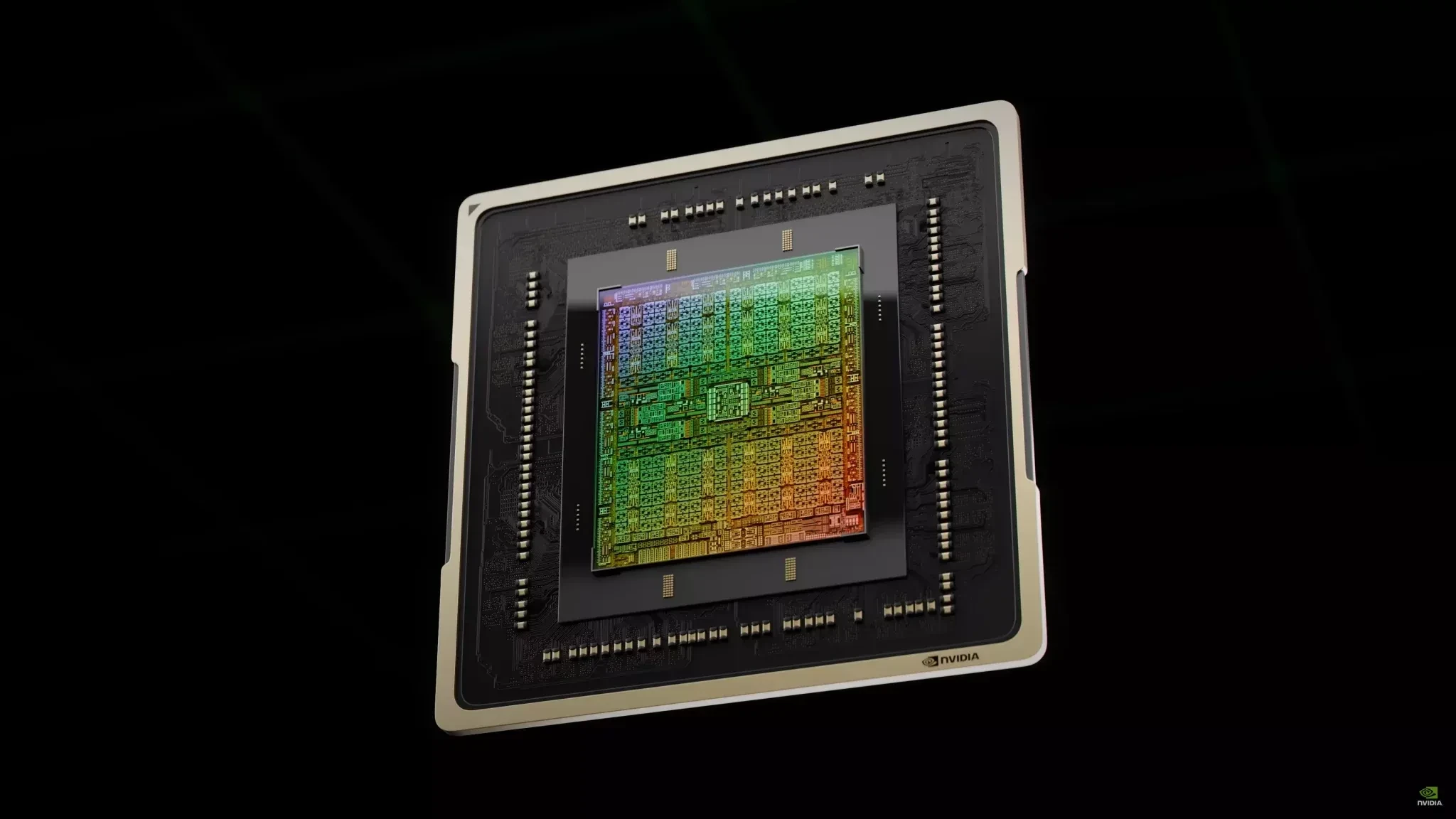
At the top, the RTX 6090 reportedly maintains an aggressive configuration: 32 GB of GDDR7 memory with a massive 512-bit bus. Combined with a full GR202 chip and up to 192 streaming multiprocessors, it suggests NVIDIA is continuing its strategy of delivering extreme headroom for enthusiasts.
What’s interesting here isn’t just the numbers—it’s the consistency. Every tier sees a clear bandwidth uplift, hinting that NVIDIA is responding to increasing demands from both gaming and content creation.
Rubin Architecture and the Move to 3nm
Beyond memory, the RTX 60 series is expected to introduce a new architectural foundation—Rubin—replacing the current Blackwell design. While detailed technical breakdowns are still limited, the shift itself is significant.
Architecture changes tend to define entire generations, not just incremental improvements. Rubin is also expected to align with broader transitions in NVIDIA’s data center ecosystem, which reportedly plans to adopt the same architecture around 2026.
Equally important is the manufacturing process. The move to a 3nm node from TSMC (likely a refined N3P variant) represents a major step forward in efficiency. Compared to the 4nm process used in the RTX 50 series, this could result in better performance per watt—something that has become increasingly critical as GPUs grow more powerful.
This combination—new architecture and smaller process node—often sets the stage for meaningful gains, even before considering raw specs.
Performance Expectations: Raster vs Ray Tracing
One of the more nuanced aspects of the leak is how performance improvements are distributed.
For traditional rasterization—the kind of rendering most games still rely on—the RTX 60 series is expected to deliver a moderate uplift of around 30–35%. That’s a respectable increase, but it doesn’t signal a dramatic shift.
However, the story changes completely when it comes to ray tracing.
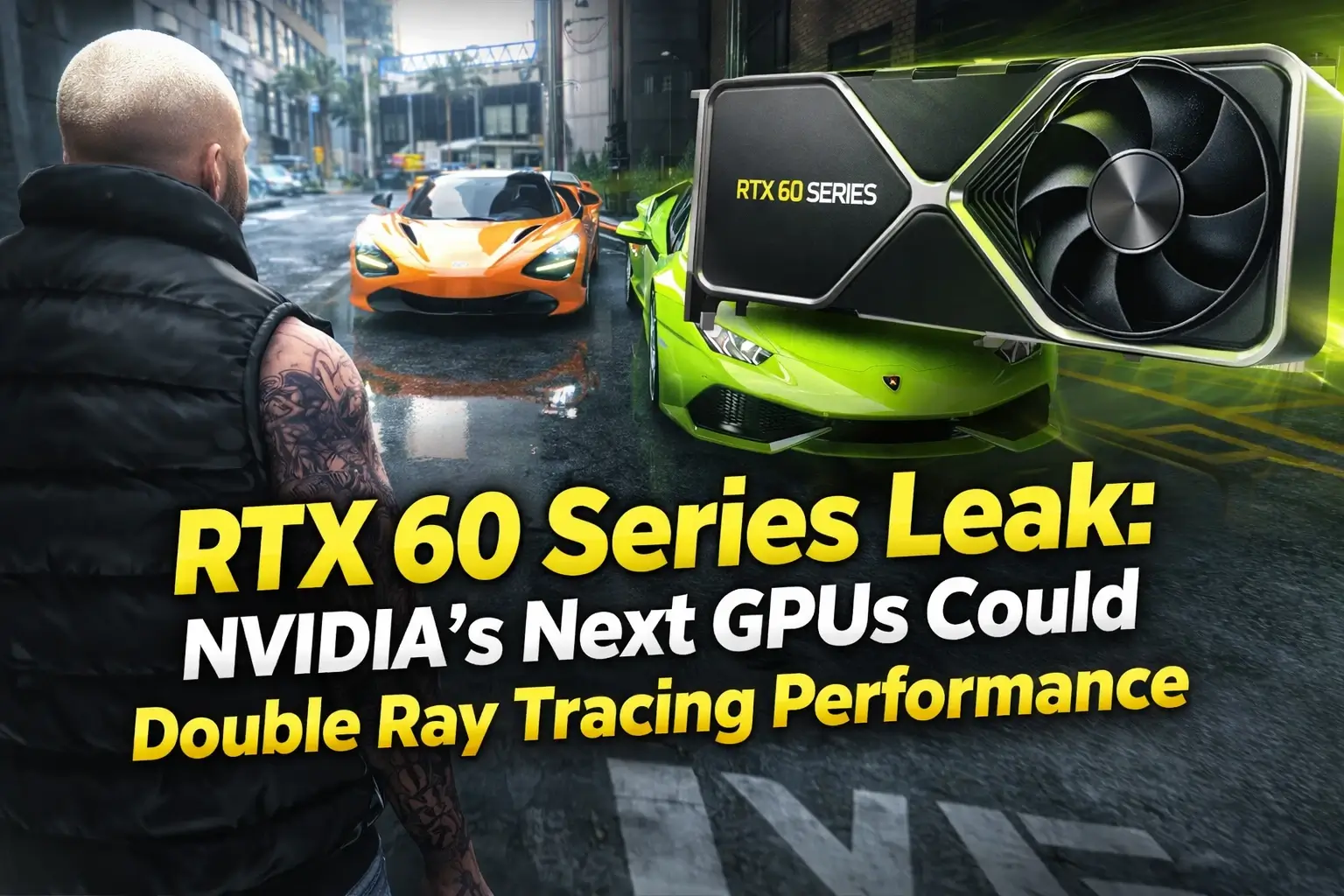
In ray-traced workloads, including more advanced techniques like path tracing, performance could potentially double. A 2× improvement is substantial, especially considering how demanding these features are.
This suggests that NVIDIA is continuing to prioritize ray tracing as a defining feature of its GPUs. Instead of pushing raster performance to extremes, the company appears focused on accelerating the technologies that will shape future game engines.
Why NVIDIA Is Pushing Hard on Ray Tracing
It’s not hard to see the bigger picture behind this strategy.
The expected arrival of next-generation consoles—likely PlayStation 6 and the next Xbox—will bring improved ray tracing capabilities to the mainstream. That creates pressure for NVIDIA to maintain a clear advantage on PC.
By doubling down on ray tracing performance, NVIDIA ensures that its GPUs remain ahead in the areas that developers are increasingly targeting. Path tracing, in particular, is often described as the “endgame” of real-time rendering, and any hardware advantage here could define the next several years of gaming visuals.
In that sense, the RTX 60 series may be less about brute force and more about positioning.
Expected Release Timeline and Market Context
Despite the excitement, these GPUs are not around the corner.
Current estimates suggest that the RTX 60 series may not be announced until 2027 at the earliest. That timeline aligns with NVIDIA’s typical release cadence but also reflects broader industry challenges, including memory supply constraints and evolving manufacturing pipelines.
Waiting longer also allows NVIDIA to refine both Rubin architecture and the 3nm process, potentially ensuring a more stable and impactful launch.
In the meantime, the RTX 50 series will likely continue to dominate the market, but the direction is already becoming clear. The next generation isn’t just about faster hardware—it’s about redefining where performance matters most.