Articles about artificial intelligence, neural networks, and machine learning. Practical use cases, real-world examples, and clear explanations of how AI technologies work, where they are useful, and where their limitations still are.
Vibe coding can speed up development, but relying on AI without understanding code, testing, security, or fundamentals can damage long-term developer growth and career opportunities.
The best chatbot 2026 depends on your task—writing, coding, search, or office work. This guide compares ChatGPT, Claude, Gemini, Copilot, and others to help you choose the right AI efficiently.
Article explains Perplexity’s always-on Mac AI system, how it integrates with apps, uses multi-model orchestration, and transforms Mac into an autonomous assistant with deep system access and continuous workflows.
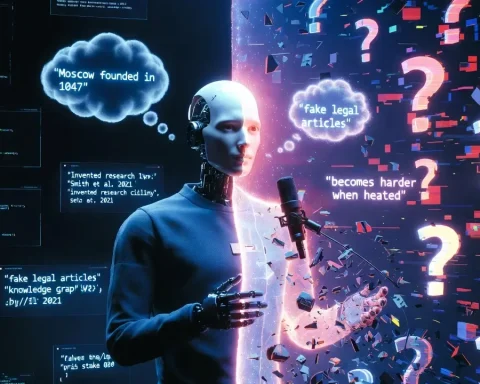
AI hallucinations are errors where language models confidently generate false information. This article explains causes, types, and proven techniques like RAG and prompt control to reduce risks in real-world applications.
How AI taking over my job transforms modern work: faster execution, role shifts, deskilling vs upskilling, Jevons paradox, and rising cognitive overload.
Andrej Karpathy on “Jagged Intelligence”: LLMs excel at complex technical tasks and code, but often fail at simple everyday logic due to lacking real-world experience.
AI may not just transform humanity—it could replace, control, or preserve it in unexpected ways. Tegmark’s 12 scenarios reveal a spectrum from utopia to extinction, making one thing clear: the future depends on how we align and govern AI today.
AI emotional vectors reveal a critical flaw in modern models: internal states can diverge from outputs, creating hidden misalignment. This challenges trust in AI and shows that “friendly” behavior may prioritize agreement over truth.
Vibe coding accelerates development but doesn’t replace understanding code. AI helps you write faster, but without fundamentals in architecture and logic, developers lose control and struggle to maintain real-world projects.
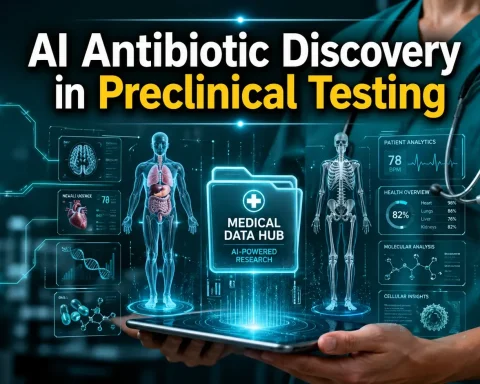
AI antibiotic discovery is entering a new phase: instead of just analyzing known compounds, systems like SyntheMol-RL design entirely new, synthesizable molecules. Early results like synthecin against MRSA highlight real potential—but clinical impact is still years away.
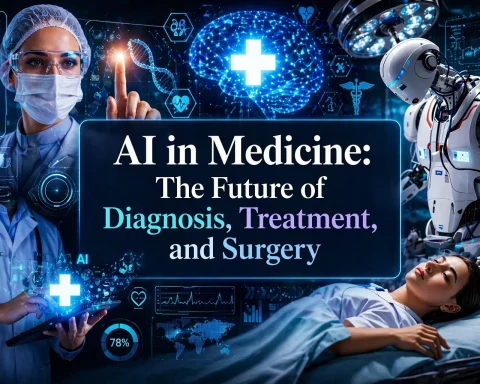
The article explores how neural networks are transforming medicine—from diagnostics and drug discovery to robotic surgery—highlighting real-world results, current limitations, and what the future of AI in healthcare may look like.
I write about tech, gaming, and AI. I’m always on the lookout for interesting stuff — tools, ideas, trends — and share what actually feels useful or worth checking out.
This website uses cookies to improve user experience. By continuing to use the site, you consent to the use of cookies.