

SEO Authority Explained: How Backlinks Strengthen Your Site
When people talk about SEO, the conversation often drifts toward keywords, technical optimizations, and content quality. These are all important, but there is another piece of the puzzle that often decides whether your site grows steadily or gets lost among thousands of similar pages: authority.
Authority is the trust search engines place in your website. It is not something you can buy or set up once and forget. It is built gradually through signals that show your site deserves attention. One of the strongest of those signals is backlinks.
Table of Contents
What Is Authority in SEO?
Search engines want to give users the best possible results. To do this, they look not only at the content of a page but also at whether other trusted sources consider it valuable. If well-established sites in your niche are pointing to your content, it sends a clear signal that your website is worth ranking higher.
Think of it like word of mouth. If many respected professionals recommend a certain book, you will probably trust it more. Backlinks work the same way for websites.
Why Backlinks Are Important
Backlinks are essentially votes of confidence. When another site links to your content, it is vouching for the quality and relevance of that content. The more relevant and trustworthy the linking site is, the stronger that signal becomes.
Backlinks help with three main things: they pass authority from established sites to yours, they drive referral traffic from readers of other websites, and they help search engines discover new content faster.
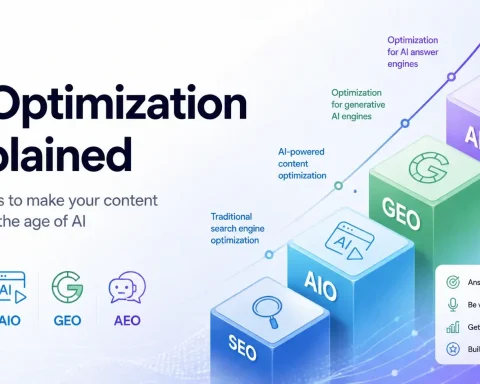
As the SEO landscape continues to evolve, understanding how different elements contribute to search visibility, including new approaches like Hybrid SEO 2026: How AIO, GEO & AEO Transform Search, becomes essential for staying ahead.
How to Build Authority Through Backlinks
Authority building is not just about getting as many links as possible. Quality always beats quantity. A single link from a trusted industry blog can matter more than dozens from random, unrelated sites.
The foundation is creating content worth linking to. Tutorials, original research, insightful analyses, and free tools are the kinds of resources people naturally want to share and reference.
You can also gain early momentum by submitting your project to trusted directories and platforms. Relevant listings—such as open-source directories or product comparison sites like AlternativeTo—can deliver solid, niche-appropriate backlinks when the directory itself is well-regarded.
Guest posting on reputable blogs offers another proven route. Contributing valuable articles to established sites in your field lets you reach new readers while earning a natural backlink. The key is focusing on real value rather than self-promotion.
Networking within your community often produces the most authentic results. Engaging in forums, answering questions, and collaborating on projects frequently leads to organic mentions and links when others reference your work.
Finally, stay alert for unlinked mentions. Sometimes people mention your brand or content without linking. A polite outreach can turn those casual references into valuable backlinks.
What Not to Do
It can be tempting to take shortcuts, but they rarely work in the long run. Avoid buying backlinks from shady services, using link farms or private blog networks, and over-optimizing with exact-match anchor text everywhere. These tactics might bring short-term gains but put your site at risk of penalties.
The Long Game of Authority Building
Authority is not built overnight. It is the result of consistent effort, creating valuable content, and becoming a trusted part of your community. Backlinks are one of the strongest signals you can earn, but they only work when paired with genuine quality.
If you focus on making your content worth referencing and building connections with real people, backlinks and authority will follow naturally.





Good post. I’m experiencing a few of these issues as
well..