Taylor Swift Files Trademarks to Protect Voice and Image from AI-Generated Fakes
Taylor Swift’s rights management company has taken fresh steps to safeguard her identity in the age of generative AI. On April 24, TAS Rights Management submitted three new trademark applications to the United States Patent and Trademark Office (USPTO). The filings aim to secure legal protection for distinctive elements of her voice and visual appearance against unauthorized AI replicas.
The applications remain under examination and do not yet guarantee registration. However, they signal a growing strategy among high-profile artists seeking stronger defenses as AI tools make it easier to mimic celebrities without permission.
Sound Trademarks: Protecting Her Signature Greeting
Two of the applications cover sound trademarks — a less common but powerful form of intellectual property that protects short, recognizable audio cues associated with a brand.
- “Hey, it’s Taylor Swift”
- “Hey, it’s Taylor”
These are not song clips or concert recordings. The filings target the specific sound of Swift speaking these short phrases in her own voice. Similar protections already exist for iconic sounds such as Netflix’s startup chime and NBC’s three-note logo sequence.
If approved, the trademarks would give Swift’s team grounds to challenge commercial or misleading uses of AI-generated audio that closely imitates these vocal signatures.
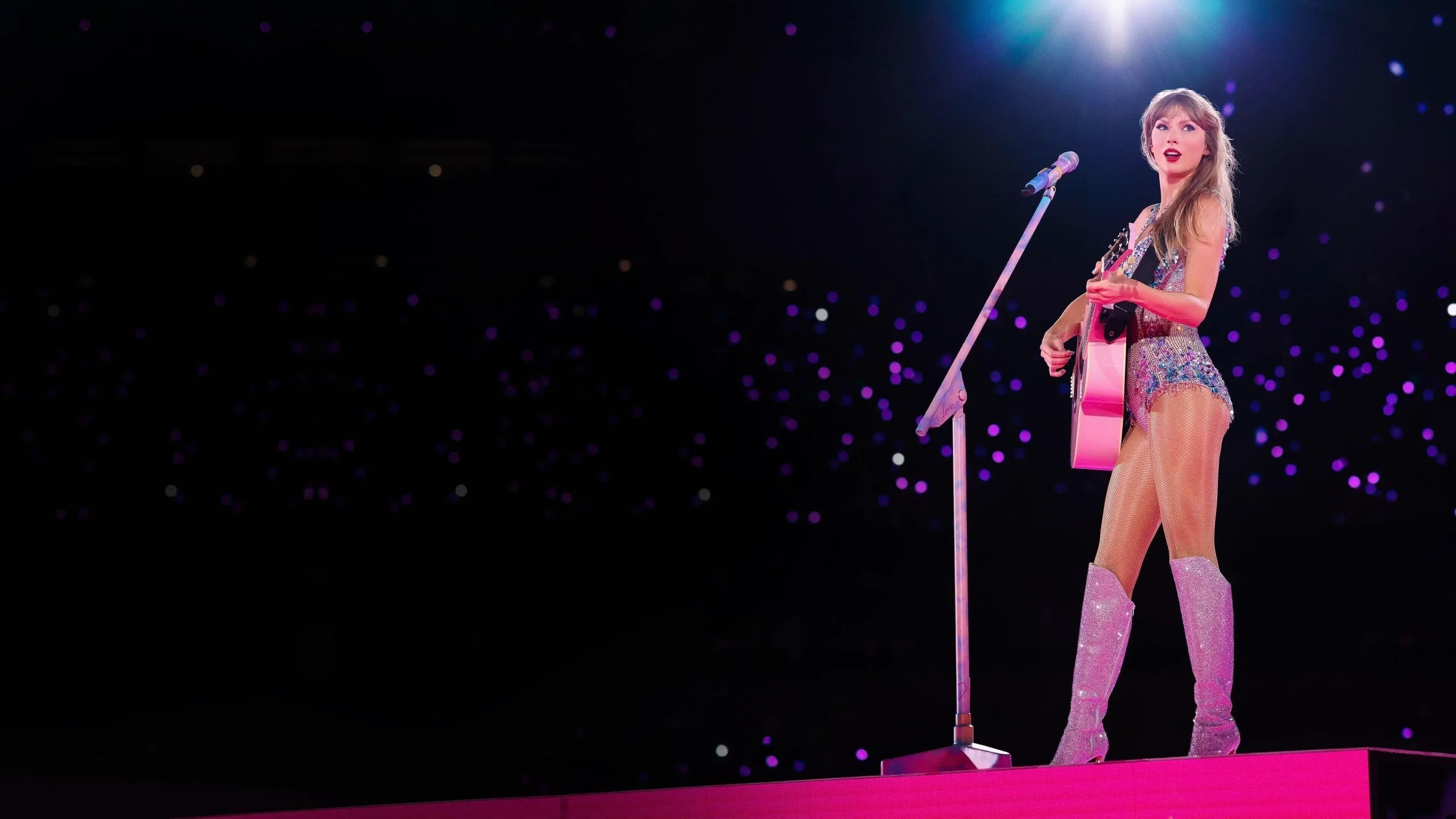
Visual Trademark: Signature Stage Look
The third application protects a specific stage persona closely tied to Swift’s recent performances:
- Pink guitar with a black strap
- Multicolored bodysuit featuring silver accents
- Boots
Approval would allow her representatives to oppose not only exact copies but also confusingly similar images that could mislead fans into believing Swift has endorsed or appeared in the content.
Why Trademarks Are Becoming a Key Weapon Against AI
Traditional legal tools have limitations in the AI era. Copyright law protects specific original works — recordings, lyrics, or photographs — while the right of publicity guards against unauthorized commercial use of a celebrity’s name, likeness, or voice. Yet generative AI can create entirely new material that sounds or looks like the artist without directly copying existing content.
This gap has left musicians and actors vulnerable. Swift herself has been targeted by AI-generated explicit images and a fake political video in which she appeared to endorse Donald Trump.
Trademark law offers a different approach: it focuses on preventing consumer confusion and protecting brand identity. By registering recognizable elements of her persona, Swift’s team can argue that AI imitations dilute or misuse her brand.
Broader Trend Among Celebrities
Swift is not acting alone. Actor Matthew McConaughey has filed similar applications in recent months to protect his voice and image from AI misuse. Legal experts view these moves as proactive steps while courts and lawmakers continue to shape regulations around generative AI.
For Swift, trademarks have long been central to her business strategy. She has previously registered album titles, tour names, song phrases, and other brand elements. The latest filings stand out because they directly address the threat of AI replication.
What Happens Next
The USPTO will review the applications. Even if granted, their strength in future court battles remains untested. Success will likely depend on whether judges accept that AI-generated content can create a likelihood of confusion among consumers.

