Fliptip AI Resale Scanner: A Smarter Way to Flip Products for Profit
If you’ve ever walked through a flea market or second-hand store wondering whether that random pair of sneakers or dusty laptop could actually make you money — you’re not alone. The challenge has always been the same: guessing the resale value without wasting time digging through multiple marketplaces.
That’s exactly where the Fliptip AI resale scanner steps in, turning what used to be intuition-driven decisions into something much closer to data-backed strategy.
Understanding the principles behind tools like the Fliptip AI Resale Scanner can open up new opportunities, and if you're looking to enhance your AI knowledge, exploring dedicated courses can be a great next step, which you can find in our guide to the 10 Best AI Courses Online in 2026.
Table of Contents
What Fliptip AI Actually Does
At its core, Fliptip AI is a tool designed for people who buy items with the intention of reselling them — whether casually or as a serious side hustle. Instead of manually researching prices across platforms, the app uses artificial intelligence to analyze real listings and completed sales.
The idea is surprisingly simple but powerful:
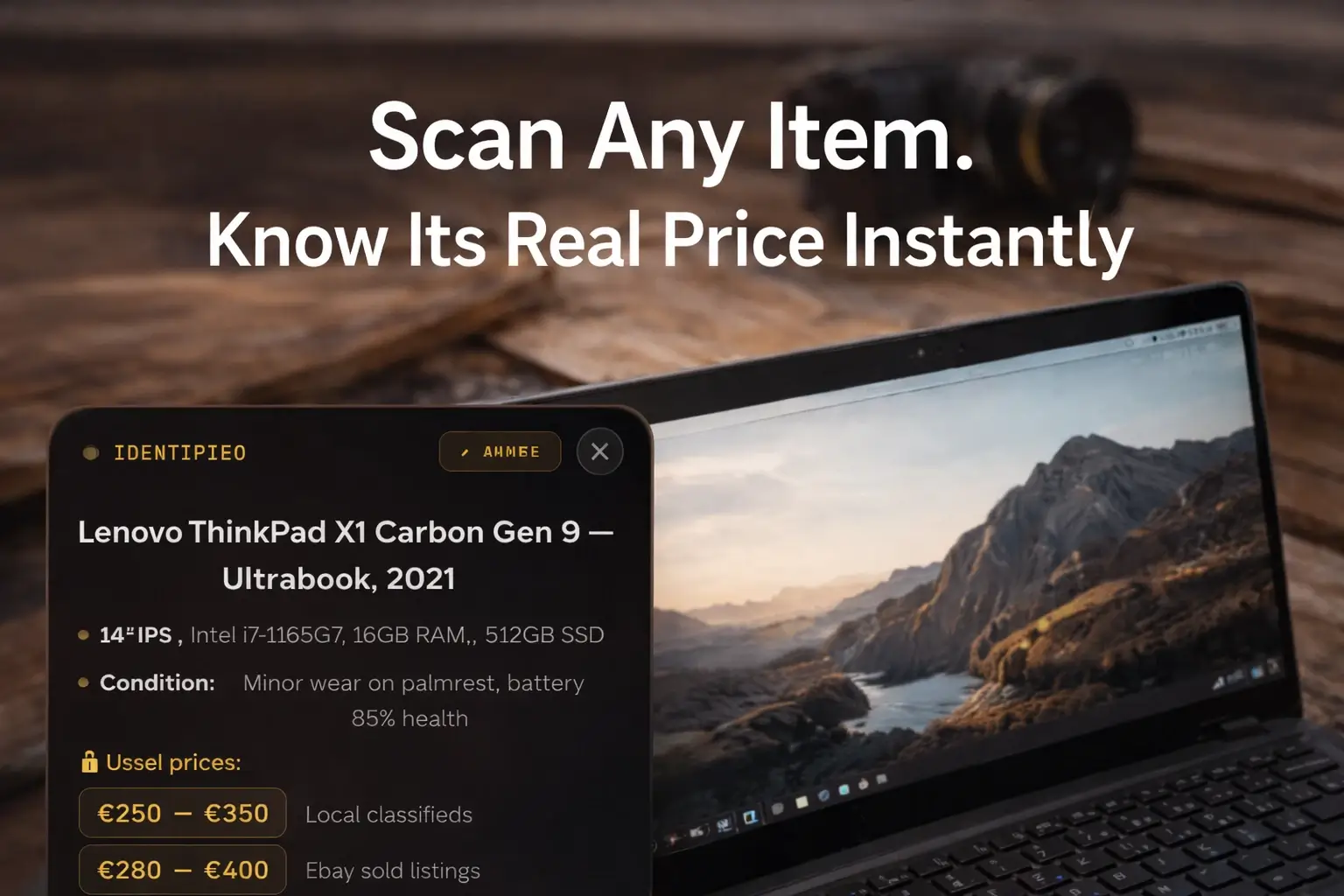
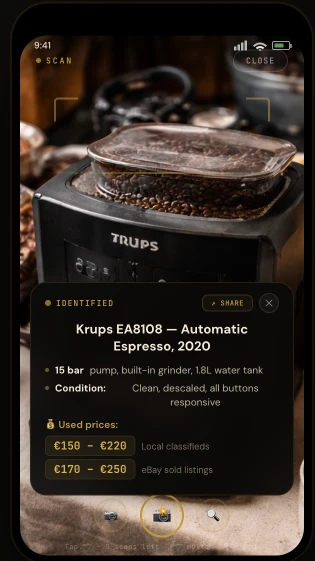
You point your camera at a product, and within seconds, the app identifies it and tells you what it’s actually worth on the resale market.
But it doesn’t stop at price. It also evaluates how quickly similar items sell and whether the deal is worth your attention at all.
This shifts the entire decision-making process from “I think this might sell” to “Here’s the data — act accordingly.”
How It Works in Real-Life Reselling
Imagine standing at a flea market stall. You spot a used pair of sneakers priced at €20. Normally, you’d either take a risk or spend several minutes searching online.
With Fliptip, you simply scan the item. The app identifies the model, pulls pricing data from marketplaces, and shows you something like:
- Typical resale price: €60–€80
- Sell speed: fast
- Recommendation: worth buying
Or, just as importantly, it might warn you that the item sits unsold for months and isn’t worth the effort.
That instant feedback is what makes the tool feel less like a novelty and more like a practical advantage — especially in fast-moving environments where hesitation means losing deals.
Who Benefits Most from Fliptip
Fliptip isn’t limited to professional resellers. Its usefulness spans a surprisingly wide audience.
It’s particularly valuable for:
- People flipping items from flea markets and thrift stores
- Regular visitors of garage sales
- Beginners trying to understand resale markets
- Anyone looking to turn unused items into cash
What makes it especially appealing for newcomers is the guidance. Instead of relying on experience, users can lean on data until they develop their own intuition.
Pricing and Accessibility
Like many modern AI tools, Fliptip follows a freemium model.
There’s usually a free tier that allows a limited number of scans — enough to test the app and understand its value. For more frequent use, a subscription unlocks higher limits and deeper analysis features.
The pricing structure is straightforward: casual users can stay on the free plan, while serious resellers benefit from upgrading.
Why Fliptip Changes the Reselling Game
The biggest advantage Fliptip offers is clarity.
Reselling has always involved a mix of guesswork, experience, and time-consuming research. Fliptip replaces much of that friction with immediate insights based on real market data.
Instead of juggling multiple tabs and trying to interpret price ranges manually, users get:
- A realistic resale price range
- An estimate of how quickly the item sells
- Insight into demand
- Alerts about suspicious brands or potential fakes
This doesn’t just save time — it reduces risk. And in reselling, avoiding bad purchases is just as important as finding good ones.
Fliptip vs Manual Product Research
Without a tool like Fliptip, the typical workflow looks something like this:
You find an item → search for the model → check multiple marketplaces → compare prices → estimate demand → make a decision.
It’s slow, fragmented, and often inconsistent.
With Fliptip, that entire process is compressed into a single action: scan and decide.
That speed becomes a serious competitive advantage, especially in environments where valuable items don’t stay available for long.
Final Thoughts
Fliptip AI may still be a relatively new player, but it clearly addresses a real pain point in the reselling world. It bridges the gap between instinct and data, helping users make smarter, faster decisions about what to buy and flip.
For anyone who spends time hunting for undervalued items — whether casually or professionally — tools like this aren’t just convenient. They’re becoming essential.
And if the second-hand economy continues to grow, the role of AI-powered tools like Fliptip will only become more significant.