

Introduction to Making Money Online in 2026
If you’ve been wondering how to make money online in 2026, you’re definitely not alone. The internet has completely reshaped how people earn a living, and today, more individuals than ever are ditching traditional jobs in favor of remote work opportunities and online entrepreneurship. What’s interesting is that making money online is no longer just about side hustles—it’s about building scalable income online that can grow far beyond what a typical 9–5 job offers.
Affiliate Disclosure

Some of the links in this article may be affiliate links. This means that if you choose to purchase or sign up through these links, I may earn a small commission at no additional cost to you.

I only recommend tools, platforms, and resources that are relevant to the topic and can genuinely help you understand or apply the strategies discussed. Any earnings or results mentioned are not guaranteed and will vary depending on your effort, experience, and approach.
Here’s the reality: not every method you see online works. There’s a lot of noise, outdated advice, and overhyped promises. That’s exactly why this guide focuses on legit ways to make money online that are actually working right now—and will continue to work in the near future. Whether you’re looking to make money from home, build passive income streams, or create a full-blown internet business, the opportunities have never been more accessible.
In fact, according to recent industry reports, the global freelance market alone is expected to surpass $500 billion by 2027, while the creator economy is already valued at over $250 billion. That means there’s massive potential if you know where to focus your energy. The key is not trying everything at once but choosing a path that aligns with your skills, interests, and long-term goals.
So, how can you actually earn money online as a beginner? The answer lies in leveraging digital platforms, understanding demand, and creating value consistently. Some methods require skills, others require creativity, and a few simply need persistence. No matter your starting point—even if you want to make money online without experience—there’s a path for you.
Let’s break down the most effective ways to make money online in 2026 and how you can start building your own income streams today.
Among these effective ways to build income streams, leveraging advanced AI tools to accurately assess market demand, especially for ventures like reselling, can be incredibly profitable; learn more about how Fliptip AI: Boost Resale Profit by 60% with AI streamlines this process.
Table of Contents
1. Freelancing Online – Sell Your Skills Globally

Freelancing continues to dominate as one of the best ways to make money online from home, especially for beginners. Why? Because it allows you to start quickly, often without upfront investment, and scale based on your skills. Whether you’re a writer, designer, programmer, marketer, or even someone with basic administrative skills, there’s a global marketplace waiting for you.
Think of freelancing as selling your time and expertise in exchange for money—but with a twist. Unlike traditional jobs, you’re not limited by geography. You can work from anywhere, set your own rates, and choose clients that align with your goals. That’s the beauty of freelancing online—it puts you in control.
One of the biggest misconceptions is that you need to be an expert to start. That’s simply not true. Many beginners begin with simple services like data entry, social media posting, or basic graphic design. Over time, as they gain experience and confidence, they transition into higher-paying services. This progression is what makes freelancing such a powerful gateway into online income ideas.
Another advantage is flexibility. You can treat freelancing as a side hustle or scale it into a full-fledged online business. Some freelancers eventually build agencies, hire teams, and generate six-figure incomes. It all starts with that first client.
However, success doesn’t happen overnight. You need to focus on building a strong profile, delivering quality work, and maintaining good communication with clients. Reputation is everything in this space. Positive reviews and repeat clients can significantly boost your earnings.
Freelancing also teaches valuable skills like client management, negotiation, and time management—skills that are essential for any online entrepreneurship journey. If you’re serious about learning how to start an online business from scratch, freelancing is one of the smartest entry points.
Best Platforms for Freelancing in 2026
Choosing the right platform can make or break your freelancing journey. In 2026, several platforms continue to dominate the space, offering opportunities for both beginners and experienced professionals. Websites like Upwork, Fiverr, Freelancer, and Toptal remain top choices, each catering to different levels of expertise and industries.
Upwork, for instance, is ideal for long-term projects and professional services. Fiverr, on the other hand, is perfect for quick gigs and productized services. If you’re just starting out and wondering how do beginners start making money online, Fiverr can be a great entry point because it allows you to create predefined service packages.
Toptal is more exclusive and targets top-tier freelancers, especially in tech and finance. While it’s harder to get accepted, the pay is significantly higher. This highlights an important lesson: as your skills improve, so should your platform and pricing strategy.
Beyond these traditional platforms, newer marketplaces and niche platforms are emerging. For example, platforms focused on AI services, content creation, or no-code development are gaining traction. These specialized platforms often have less competition and higher demand.
To maximize your chances of success, don’t rely on just one platform. Diversify your presence and treat each platform like a marketing channel. Optimize your profile with keywords like sell services online, showcase your portfolio, and consistently apply for jobs.
Freelancing platforms are essentially your gateway to global clients. Once you understand how to position yourself, they can become a powerful engine for earning money online.
How Beginners Can Start Freelancing Without Experience
Starting without experience might feel intimidating, but it’s more common than you think. Everyone begins somewhere, and the freelancing world is surprisingly beginner-friendly if you approach it strategically.
First, focus on identifying a simple skill you can offer. It doesn’t have to be complex. Tasks like email management, basic Canva design, or social media scheduling are in demand. The goal is to get your foot in the door and start building credibility.
Next, create a portfolio—even if it’s self-made. If you want to offer writing services, write sample articles. If you’re into design, create mock logos or social media posts. Clients want to see what you can do, not just what you claim.
Pricing is another crucial factor. As a beginner, it’s okay to start low to gain experience and reviews. Think of it as an investment in your future earning potential. Once you have a few successful projects, you can gradually increase your rates.
Consistency is key. Apply to jobs daily, refine your proposals, and learn from rejections. Over time, you’ll start noticing patterns—what works, what doesn’t, and how to stand out. This learning curve is what transforms beginners into professionals.
Freelancing without experience isn’t about waiting until you’re ready. It’s about starting where you are and improving along the way. If your goal is to make money online in 2026 for beginners, this is one of the most practical and proven paths.
If you’re starting with no experience, the smartest approach is to keep your first offer simple. Instead of trying to sell “everything,” create one clear service that solves one small problem.

For example, on Fiverr, many beginners start with microservices such as Canva designs, short video edits, product descriptions, social media captions, or basic website fixes. These smaller offers help you build confidence, understand what clients actually want, and collect early reviews before moving into higher-priced services.
2. Affiliate Marketing Strategy That Converts

Affiliate marketing remains one of the most powerful ways to make money online in 2026, especially if you’re aiming to build passive income streams. At its core, affiliate marketing is simple: you promote other people’s products and earn a commission for every sale made through your unique link. But here’s the catch—while the concept is straightforward, succeeding in it requires strategy, patience, and a deep understanding of your audience.
Think of affiliate marketing like being a digital matchmaker. You’re connecting people with products or services that solve their problems. When done right, it doesn’t feel like selling at all. Instead, it feels like recommending something genuinely useful. This is why trust plays such a crucial role in building a sustainable affiliate marketing strategy.
In 2026, the landscape has evolved significantly. Gone are the days of spammy links and generic promotions. Today, successful affiliates focus on creating value-driven content—blog posts, YouTube videos, email newsletters, and even short-form content on platforms like TikTok and Instagram. These channels allow you to monetize content while building a loyal audience.
One of the biggest advantages of affiliate marketing is scalability. Unlike freelancing, where you trade time for money, affiliate marketing allows you to earn repeatedly from the same piece of content. A single well-optimized blog post or video can generate income for months or even years. That’s the essence of scalable income online.
However, it’s not a get-rich-quick scheme. It takes time to build traffic, credibility, and conversions. But once you gain momentum, the earning potential is substantial. Many online entrepreneurs generate six or even seven figures annually through affiliate marketing alone.
If you’re wondering what is the best way to make money online, affiliate marketing consistently ranks among the top because of its low barrier to entry and high scalability. All you need is a platform, an audience, and the willingness to provide value consistently.
Choosing the Right Niche and Products
Selecting the right niche can make or break your affiliate marketing journey. A niche is essentially the specific topic or market you focus on, and it should ideally sit at the intersection of your interests, expertise, and market demand.
Popular niches in 2026 include personal finance, health and wellness, technology, online business, and self-improvement. These niches are evergreen, meaning they consistently attract interest and spending. However, competition is also high, so finding a sub-niche can give you an edge.
For example, instead of targeting “fitness,” you might focus on “home workouts for busy professionals” or “fitness for beginners over 40.” This specificity helps you stand out and connect with a more targeted audience.
When it comes to products, choose ones that you genuinely believe in. Promoting low-quality products might earn you short-term commissions, but it will damage your credibility in the long run. Look for products with good reviews, strong brand reputation, and fair commission structures.
Here’s a quick comparison of popular affiliate platforms:
| Platform | Commission Type | Best For |
|---|---|---|
| Amazon Associates | Low (%) | Physical products |
| ClickBank | High (%) | Digital products |
| ShareASale | Varies | Mixed niches |
| PartnerStack | Recurring | SaaS products |
Notice how digital and SaaS products often offer higher or recurring commissions. This is why many marketers focus on digital products income and software tools—they provide better long-term earning potential.
Ultimately, success in affiliate marketing comes down to understanding your audience and consistently delivering value. When you align the right niche with the right products, you create a sustainable system for earning money online.
Affiliate marketing becomes much more powerful when you move beyond single programs and start working with networks that give you access to multiple offers in one place.

Instead of relying on just one product or platform, many marketers use affiliate networks where they can test different niches, offers, and audiences more efficiently.

For example, platforms like Indoleads.com provide access to a wide range of affiliate programs across different industries, allowing you to experiment and find what actually converts. This flexibility becomes especially important as you scale your traffic and want to diversify your income sources.
3. Content Creation Income (YouTube, TikTok, Blogging)

Content creation has exploded into one of the most exciting online income ideas in recent years. From YouTube channels and TikTok accounts to blogs and newsletters, creators are finding countless ways to make money from home while sharing their passions and expertise.
What makes content creation so appealing is its versatility. You can create content about almost anything—travel, tech, finance, fitness, education—and still find an audience. The key is not just creating content, but creating content that resonates.
In 2026, the creator economy continues to thrive, with millions of people earning through ad revenue, sponsorships, affiliate marketing, and product sales. According to recent data, top creators can earn anywhere from a few hundred dollars a month to millions annually, depending on their reach and monetization strategies.
But here’s the truth: building a successful content platform takes time. It’s not about going viral overnight; it’s about consistency, authenticity, and understanding your audience. Think of your content as a long-term investment. Every video, post, or article adds to your digital footprint and increases your chances of being discovered.
Another important factor is diversification. Relying on a single platform can be risky due to algorithm changes. That’s why many creators expand across multiple platforms—YouTube, TikTok, Instagram, and their own websites. This approach not only increases visibility but also creates multiple income streams online.
Content creation also opens doors to other opportunities, such as brand partnerships, speaking engagements, and product launches. It’s not just about making money directly from content—it’s about building a personal brand income ecosystem.
If you’ve ever asked yourself how can I make money online in 2026, content creation offers a path that combines creativity, flexibility, and scalability.
How to Monetize Content Effectively
Monetizing content is where many beginners struggle. Creating content is one thing, but turning it into income requires strategy. The good news is that there are multiple ways to do it, and you don’t need millions of followers to start earning.
The most common monetization method is ad revenue. Platforms like YouTube pay creators based on views and engagement. However, ad revenue alone is often not enough, especially in the शुरुआती stages. That’s why successful creators diversify their income streams.
Affiliate marketing is a natural fit for content creators. By recommending products within your content, you can earn commissions while providing value to your audience. This approach works particularly well in niches like tech reviews, beauty, and online tools.
Sponsorships and brand deals are another major income source. Brands are constantly looking for creators to promote their products. Even micro-influencers with smaller audiences can secure deals if they have high engagement.
Selling your own products or services is where the real scalability lies. This could include eBooks, courses, merchandise, or even consulting services. When you own the product, you control the pricing and profit margins.
Here’s a simple breakdown:
| Monetization Method | Income Potential | Difficulty |
|---|---|---|
| Ads | Low–Medium | Easy |
| Affiliate Marketing | Medium–High | Medium |
| Sponsorships | High | Medium |
| Own Products | Very High | Hard |
The key takeaway is this: don’t rely on just one method. Combine multiple strategies to create a robust system for monetizing content.
At some point, almost every creator runs into the same invisible wall — not a lack of motivation, but a lack of ideas. You sit down, open your editor… and nothing feels worth posting.

This is where most people slow down, not because they’re incapable, but because they’re constantly reinventing content from scratch.

A smarter approach is to shift from “creating randomly” to working with structured content systems. Instead of guessing what might work, you start using proven patterns — hooks, formats, and ideas that are already designed to capture attention.

There are even resources built entirely around this concept. For example, some creators use curated collections of short-form ideas and viral hooks — thousands of them — organized by niche and content type. This allows you to move faster, stay consistent, and avoid creative burnout.

What makes this especially interesting is that many of these ideas are adapted for modern platforms like Instagram Reels and TikTok, where the first few seconds determine everything. Instead of experimenting blindly, you’re working with formats that are already optimized for engagement.

And once you remove the friction of “what to post,” something shifts — content becomes execution, not struggle.
4. Selling Digital Products for Passive Income
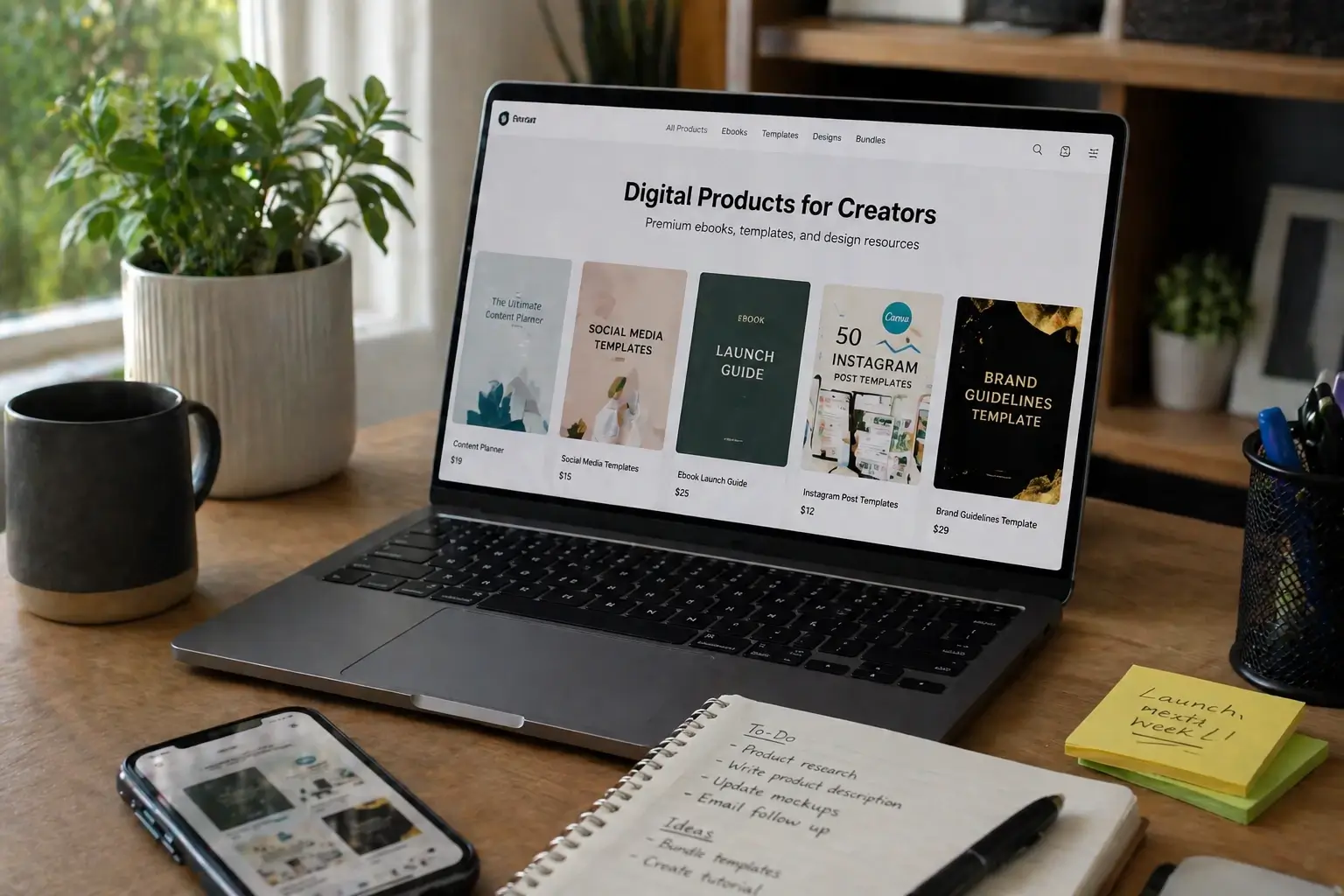
If you’re serious about building passive income streams, selling digital products is one of the smartest moves you can make. Unlike physical products, digital products don’t require inventory, shipping, or manufacturing. Once created, they can be sold repeatedly with minimal ongoing effort.
Think of digital products as assets. You invest time upfront to create them, and then they continue to generate income over time. This is why they are often considered one of the best passive income ideas that actually work.
Examples of digital products include eBooks, templates, printables, stock photos, music, software, and more. The possibilities are endless, and the barrier to entry is relatively low. You don’t need a huge audience to start—just a product that solves a specific problem.
One of the biggest advantages of digital products income is scalability. Whether you sell 10 copies or 10,000, the effort required doesn’t change significantly. This makes it an ideal model for those looking to build online business systems that can grow over time.
However, creating a successful digital product requires research and planning. You need to understand your target audience, identify their pain points, and create a product that provides real value. This is where many people fail—they create products they want, rather than what the market needs.
Marketing is equally important. Even the best product won’t sell if no one knows about it. This is where content creation, email marketing, and social media come into play. By building an audience, you create a built-in customer base for your products.
Selling digital products is not just about making money—it’s about creating something valuable that people are willing to pay for. When done right, it becomes a powerful engine for earning money online.
Top Digital Products That Sell in 2026
The demand for digital products continues to grow, but certain categories consistently outperform others. Understanding these trends can help you choose the right product to create.
Some of the top-performing digital products in 2026 include:
- Online courses and educational सामग्री
- Notion templates and productivity tools
- Stock photos and video footage
- Design assets (fonts, graphics, UI kits)
- eBooks and guides
- Software and mobile apps
What’s interesting is the rise of niche-specific products. Instead of creating generic content, successful creators focus on highly targeted solutions. For example, a Notion template for freelance writers or a budgeting spreadsheet for college students.
Another growing trend is AI-related products. Templates, prompts, and tools designed for AI platforms are in high demand. This highlights the importance of staying updated with market trends.
Pricing also plays a crucial role. While low-priced products can attract more buyers, higher-priced products often generate more revenue with fewer sales. Finding the right balance is key.
Ultimately, the best digital product is one that solves a real problem and delivers tangible results. When you focus on value, sales become a natural outcome.
When people start exploring digital products income, they often overlook one important shortcut — instead of creating something from scratch, you can start with a ready-made product and build from there.

For example, beginner-friendly resources like an Amazon FBA guide can serve both as a learning tool and a monetizable asset. Some products even include resell rights, meaning you’re not just consuming information — you’re actually getting something you can turn into your own income stream.

👉 One practical example is this beginner Amazon FBA eBook that walks through product research, sourcing, and launching step-by-step, while also allowing you to rebrand and resell it as your own product.

This kind of approach reduces the biggest barrier most beginners face — not knowing what to sell — and replaces it with something immediately actionable.
5. Online Coaching Business and Consulting
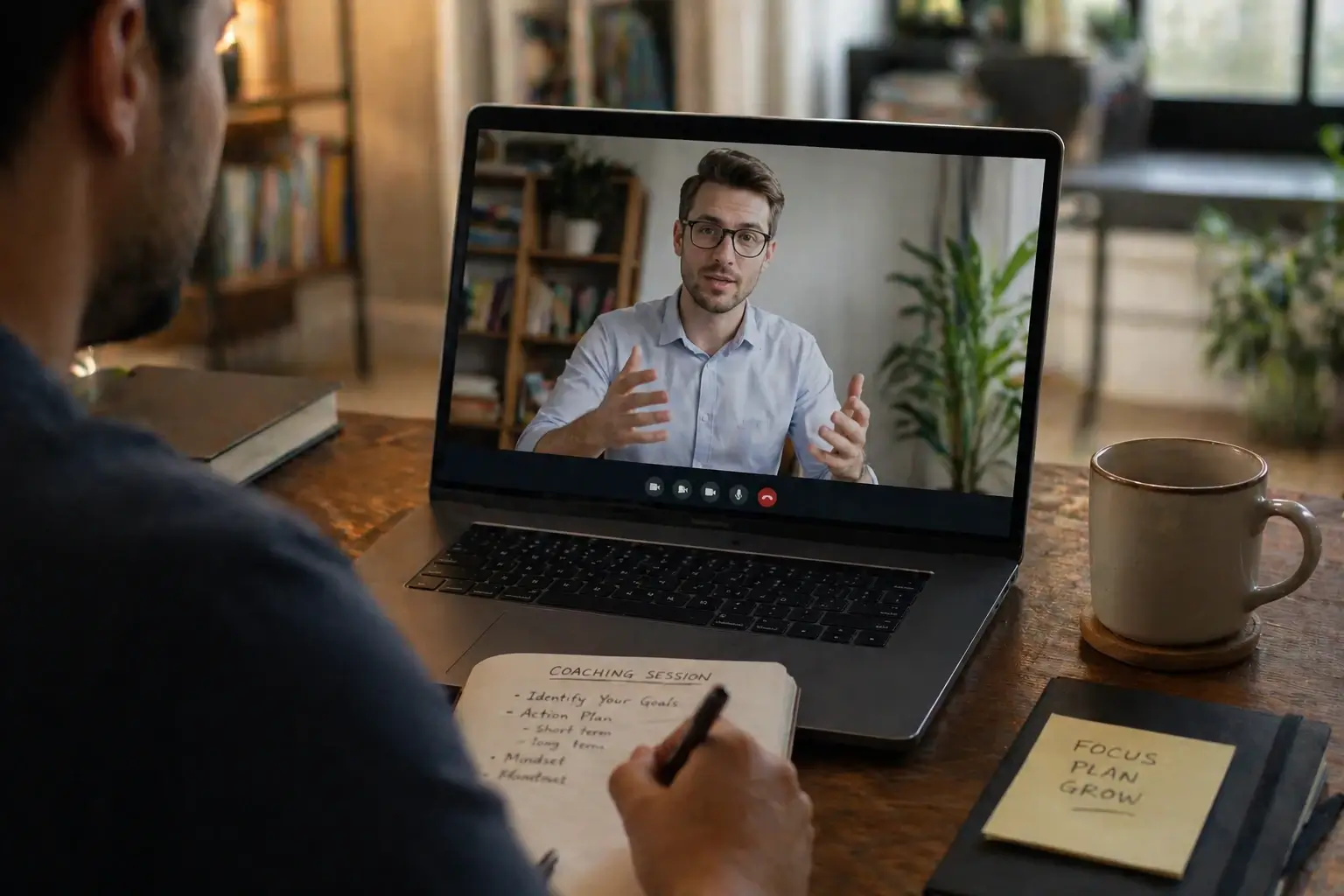
If you’ve ever helped someone solve a problem—whether it’s fitness, career advice, business growth, or even mindset—you already have the foundation for an online coaching business. In 2026, coaching has become one of the most profitable and scalable internet business ideas, largely because people are willing to pay for guidance that saves them time, mistakes, and frustration.
Think about it this way: information is everywhere, but transformation is rare. That’s where coaching comes in. People don’t just want knowledge—they want results. And if you can help them achieve those results faster, you can earn money online at a premium level.
One of the biggest advantages of coaching is that you can start with what you already know. You don’t need to be the world’s top expert; you just need to be a few steps ahead of your audience. For example, if you’ve successfully lost weight, landed a remote job, or built a small online business, there are people out there who want to learn from your journey.
Coaching can take many forms: one-on-one sessions, group coaching, or even hybrid models that include digital resources. Over time, many coaches transition into more scalable formats like courses and memberships, turning their expertise into multiple income streams online.
However, coaching is not just about knowledge—it’s about communication, empathy, and results. Your ability to connect with clients and guide them effectively will determine your success. This is why building trust and credibility is essential.
Pricing is another factor that sets coaching apart. Unlike freelancing, where rates can be competitive, coaching allows you to charge based on value. High-ticket coaching programs can range from $500 to $5,000 or more, depending on the niche and outcome.
For anyone wondering what online jobs pay the most, coaching and consulting consistently rank at the top. It’s not just a way to make money from home—it’s a pathway to building a high-impact, high-income business.
Building Authority and Personal Brand Income
Authority is the currency of the internet. If people trust you, they’ll listen to you—and eventually buy from you. That’s why building a personal brand income system is crucial for long-term success in coaching.
Your personal brand is essentially your online reputation. It’s how people perceive you, what you stand for, and the value you provide. Platforms like LinkedIn, YouTube, and Instagram are powerful tools for showcasing your expertise and connecting with your audience.
Consistency plays a huge role here. Posting valuable content regularly helps you stay top-of-mind and positions you as an authority in your niche. This could include sharing tips, case studies, personal stories, or even behind-the-scenes insights.
Another effective strategy is storytelling. People connect with stories more than facts. When you share your journey—your struggles, wins, and lessons—you create a deeper connection with your audience. This emotional connection often translates into trust and, ultimately, sales.
Testimonials and social proof are equally important. When potential clients see that others have achieved results through your coaching, it reduces skepticism and increases confidence.
Building authority doesn’t happen overnight, but it compounds over time. The more value you provide, the stronger your brand becomes. And once you establish that authority, you can monetize content, launch programs, and create a sustainable online business.
6. Online Courses Business – Teach What You Know

The online courses business has exploded in recent years, and it shows no signs of slowing down. With the global e-learning market projected to exceed $400 billion by 2026, there’s never been a better time to turn your knowledge into a digital product.
Courses are essentially a scalable version of coaching. Instead of teaching one person at a time, you create a structured program that can be sold to hundreds or thousands of students. This makes it one of the most effective ways to build scalable income online.
What makes online courses so powerful is their flexibility. You can create courses on almost any topic—coding, marketing, photography, fitness, personal development, and more. The key is to focus on outcomes. People don’t buy courses for information; they buy them for results.
Creating a course might seem overwhelming at first, but it doesn’t have to be perfect. Start with a simple structure: identify a problem, break it down into steps, and provide actionable solutions. Over time, you can refine and expand your content based on feedback.
Marketing plays a crucial role in the success of your course. Building an audience through content creation, email marketing, and social media can significantly increase your sales. Many successful course creators generate the majority of their revenue through launches and promotions.
Another advantage is automation. Once your course is created, you can set up systems to sell it automatically, generating passive income streams. This allows you to focus on scaling your business rather than constantly trading time for money.
For those exploring how to build multiple income streams, online courses are a natural addition. They complement coaching, content creation, and digital products, creating a well-rounded income ecosystem.
Platforms to Host and Sell Courses
Choosing the right platform is essential for running a successful course business. In 2026, there are several options available, each with its own advantages and limitations.
Popular platforms include:
| Platform | Best For | Pricing Model |
|---|---|---|
| Teachable | Beginners & pros | Monthly subscription |
| Kajabi | All-in-one business | Premium pricing |
| Thinkific | Customization | Free + paid plans |
| Udemy | Large audience | Revenue share |
Platforms like Udemy provide access to a massive audience, but they take a percentage of your sales. On the other hand, platforms like Kajabi and Teachable give you full control over pricing and branding but require you to drive your own traffic.
Another trend in 2026 is the rise of community-based learning platforms. These combine courses with paid communities online, creating a more interactive and engaging experience for students.
Ultimately, the best platform depends on your goals. If you want control and higher profits, go with self-hosted platforms. If you want exposure and ease of use, marketplaces like Udemy can be a good starting point.
7. UGC Creator Income – Brand Deals Without Followers

User-Generated Content (UGC) has completely changed the game for creators. Unlike traditional influencers, UGC creators don’t need a large following to earn money online. Instead, they create content for brands to use in their marketing campaigns.
This is one of the most underrated online side hustles in 2026. Brands are constantly looking for authentic, relatable content that resonates with their audience. And they’re willing to pay for it.
Think of UGC as being behind the scenes. You’re not necessarily posting content on your own profile; you’re creating videos, photos, or reviews that brands can use on their platforms. This makes it accessible even for beginners.
The demand for UGC has skyrocketed with the rise of short-form video platforms like TikTok and Instagram Reels. Brands need a constant stream of content, and UGC creators fill that gap.
Earnings can vary widely, but many creators charge anywhere from $50 to $500 per piece of content, depending on quality and experience. As you build a portfolio, your rates can increase significantly.
One of the biggest advantages is flexibility. You can work with multiple brands, set your own rates, and scale your income over time. It’s a perfect example of how the digital economy is creating new remote work opportunities.
For beginners asking is it possible to earn money online without investment, UGC is a strong yes. All you need is a smartphone, creativity, and consistency.
How to Get Paid Brand Collaborations
Getting started with brand collaborations might seem challenging, but it’s more accessible than ever. The first step is building a portfolio. Even if you haven’t worked with brands before, you can create sample content showcasing your style and creativity.
Next, start reaching out to brands directly. This might feel intimidating, but many brands are open to working with new creators. Focus on small to mid-sized brands that are actively marketing on social media.
There are also platforms that connect UGC creators with brands, making it easier to find opportunities. Websites like Billo, Trend.io, and Fiverr UGC gigs are popular choices.
When pitching, focus on value. Explain how your content can help the brand achieve its goals—whether it’s increasing engagement, driving sales, or building awareness.
Consistency is key. Not every pitch will lead to a deal, but each attempt improves your chances. Over time, as you build relationships and a portfolio, opportunities will come more naturally.
UGC is proof that you don’t need millions of followers to succeed in content creation income. You just need the ability to create content that connects.
8. Selling Services Online (Agencies & Microservices)

Selling services online has evolved far beyond simple freelancing. In 2026, it’s one of the most scalable ways to make money online because it allows you to transition from being a solo worker to running a structured business. If freelancing is trading time for money, then building a service-based business is about leveraging systems, processes, and people to multiply your income.
At the core, you’re still solving problems—but instead of doing everything yourself, you create repeatable service packages. These are often called “productized services” or microservices. For example, instead of offering general marketing help, you might sell a specific service like “YouTube thumbnail design” or “SEO blog optimization.” This clarity makes it easier for clients to understand what they’re buying and for you to deliver consistent results.
The beauty of this model is that it’s highly adaptable. You can start small—maybe offering one service—and then expand as demand grows. Over time, many entrepreneurs build agencies by outsourcing work to freelancers or hiring a team. This is where the real scalability kicks in, turning a simple side hustle into a full-fledged online business.
Another key advantage is predictable income. Unlike some online income ideas that fluctuate, service businesses can generate steady monthly revenue, especially if you offer retainers or ongoing support packages. This stability makes it easier to plan, invest, and grow.
However, building a service business requires more than just skills. You need to understand client acquisition, pricing strategies, and workflow management. Tools like CRMs, project management software, and automation platforms become essential as you scale.
For those asking how to start an online business from scratch, selling services is one of the most practical entry points. It combines low startup costs with high earning potential, making it ideal for anyone looking to earn money online consistently.
Scaling to a Full Online Business
Scaling a service-based business is where things get interesting. It’s the difference between working in your business and working on your business. Initially, you might handle everything yourself—sales, delivery, customer support—but this approach has limits.
To scale, you need systems. Start by documenting your processes: how you onboard clients, deliver services, and handle communication. These processes become the foundation for training others. Once you have clarity, you can begin outsourcing tasks to freelancers or hiring team members.
Another powerful strategy is specialization. Instead of offering a wide range of services, focus on one area and become known for it. This not only improves efficiency but also positions you as an expert, allowing you to charge higher rates.
Automation also plays a huge role. From email sequences to client onboarding workflows, automating repetitive tasks frees up your time for higher-level activities like strategy and growth.
Here’s a quick comparison of solo freelancing vs. agency model:
| Aspect | Freelancing | Agency Model |
|---|---|---|
| Income Potential | Limited | High |
| Workload | High | Delegated |
| Scalability | Low | High |
| Flexibility | Moderate | High |
The transition isn’t always easy, but it’s worth it. By building systems and a team, you create a business that can grow beyond your personal capacity. That’s the essence of scalable income online.
9. Paid Communities Online and Memberships
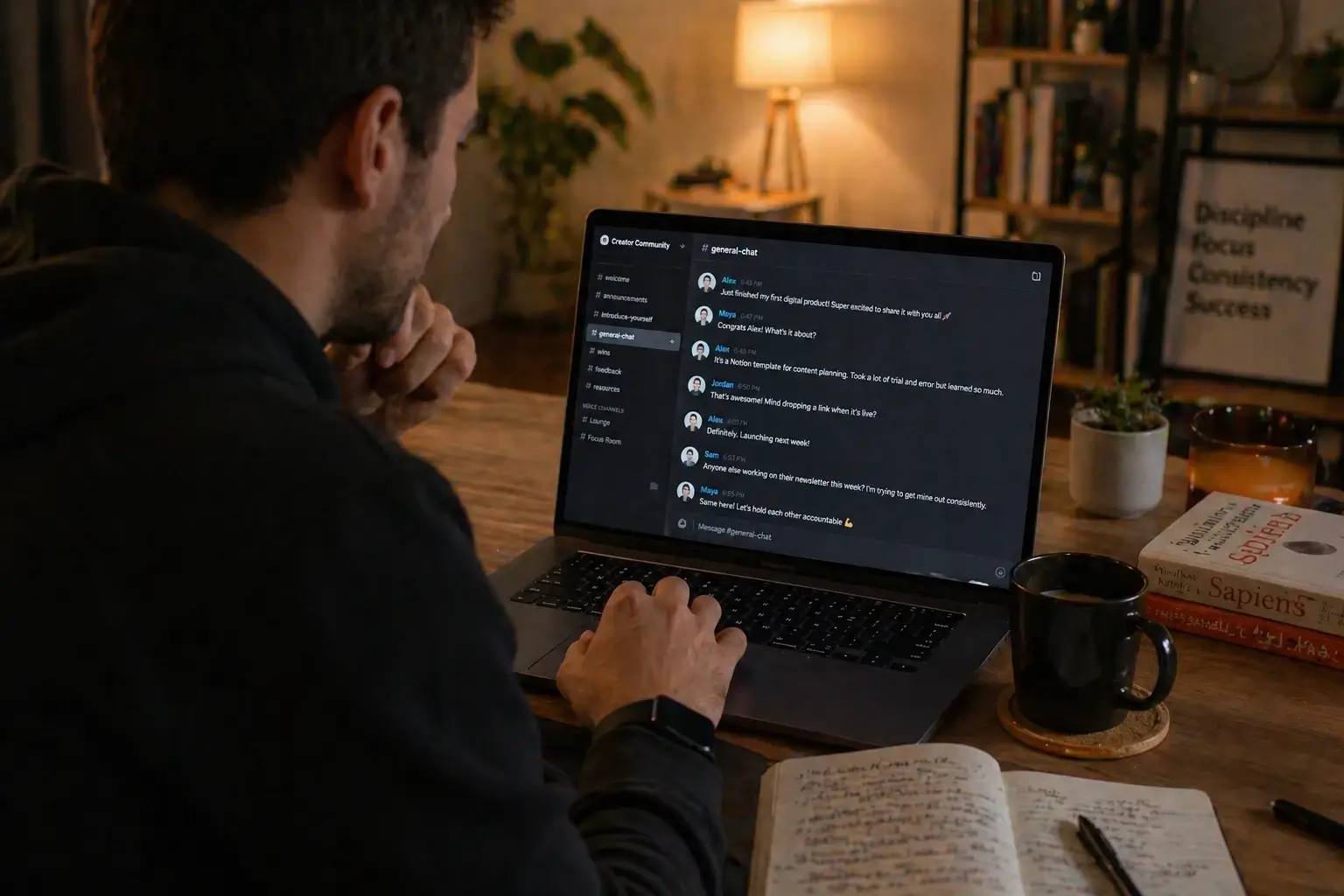
Paid communities have quietly become one of the most reliable passive income streams in the digital world. Instead of selling one-time products or services, you create a space where people pay a recurring fee to access exclusive content, support, or networking opportunities.
Think of it like a gym membership—but for knowledge, skills, or shared interests. People join not just for information, but for connection and accountability. This is what makes paid communities online so powerful—they tap into human psychology.
In 2026, platforms like Discord, Circle, Skool, and Patreon are making it easier than ever to build and manage communities. Whether it’s a group for entrepreneurs, fitness enthusiasts, or content creators, there’s a niche for everything.
One of the biggest advantages is recurring revenue. Instead of constantly chasing new sales, you build a stable income base that grows over time. Even a small community with 100 members paying $20 per month generates $2,000 in monthly income.
However, running a successful community requires effort. You need to provide value consistently—whether through live sessions, exclusive content, or active engagement. A neglected community quickly loses members.
Another key factor is culture. A strong community isn’t just about the creator; it’s about the members. Encouraging interaction, collaboration, and support can significantly increase retention and satisfaction.
For those exploring how to build multiple income streams, communities are an excellent addition. They complement other models like courses, coaching, and content creation, creating a well-rounded ecosystem.
Turning Audience into Recurring Revenue
If you already have an audience—even a small one—you have the foundation for a paid community. The key is identifying what your audience values most and offering it in a structured, exclusive format.
Start by engaging with your audience. What questions do they ask? What challenges do they face? These insights can help you design a community that meets their needs.
Pricing is another important consideration. While it might be tempting to charge high fees, starting with an affordable price can help you build momentum. As your community grows and delivers results, you can gradually increase pricing.
Content and engagement are the lifeblood of any community. This could include weekly Q&A sessions, workshops, challenges, or curated resources. The goal is to create an environment where members feel they’re getting continuous value.
Retention matters just as much as acquisition. Keeping members engaged and satisfied is what drives long-term success. This often comes down to recognizing active members, listening to feedback, and consistently improving the overall experience over time.
Paid communities represent a shift from transactional to relational business models. Instead of one-time interactions, you build ongoing relationships. And in the world of online entrepreneurship, relationships often translate into sustainable income.
10. Licensing Digital Content for Ongoing Earnings

Licensing is one of the most overlooked yet powerful ways to earn money online. Instead of selling your work once, you allow others to use it in exchange for a fee or royalty. This creates a continuous stream of income from a single piece of content.
Think about photographers who upload their images to stock websites, musicians who license their tracks, or designers who sell templates. These creators are essentially turning their work into assets that generate income over time.
The beauty of licensing lies in its scalability. You create something once, and it can be used by multiple buyers. This makes it an ideal model for building passive income streams.
In 2026, the demand for digital content is higher than ever. Businesses, creators, and marketers are constantly looking for high-quality visuals, audio, and design assets. This creates endless opportunities for those willing to create and distribute content.
However, success in licensing requires quality and consistency. Your content needs to stand out in a competitive marketplace. This often means investing time in improving your skills and understanding market trends.
Another important factor is distribution. Uploading your work to multiple platforms increases visibility and earning potential. Each platform has its own audience and pricing structure, so diversification is key.
For those looking to make money online without experience, licensing can be a great starting point, especially in creative fields.
Where to License Your Work
There are numerous platforms where you can license your digital content, each catering to different types of creators.
Popular options include:
| Platform | Content Type | Earning Model |
|---|---|---|
| Shutterstock | Photos, videos | Per download |
| Adobe Stock | Creative assets | Royalties |
| Envato Elements | Templates, music | Subscription share |
| Pond5 | Video, audio | Marketplace pricing |
Each platform has its own guidelines and quality standards, so it’s important to understand what works best. For example, stock photo platforms often favor clean, professional images with commercial appeal.
Consistency is key. Uploading content regularly increases your chances of being discovered and earning more. Over time, a large portfolio can generate significant digital products income.
Licensing is not just about creativity—it’s about strategy. By understanding what the market needs and delivering high-quality content, you can build a steady stream of online income.
11. Building Multiple Income Streams Online

Relying on a single income source is risky, especially in the digital world where trends and algorithms can change overnight. That’s why building multiple income streams online is one of the smartest strategies in 2026.
Think of it like a table. If it has only one leg, it’s unstable. But with multiple legs, it becomes stable and reliable. The same principle applies to income. By diversifying your earnings, you reduce risk and increase stability.
The key is not to do everything at once. Start with one primary income stream—freelancing, content creation, or coaching—and then expand gradually. Each new stream should complement the others.
For example, a content creator might earn through ads, affiliate marketing, and digital products. A coach might offer one-on-one sessions, group programs, and online courses. This integration creates a powerful ecosystem.
Here’s an example of how different streams can work together:
| Primary Stream | Supporting Streams |
|---|---|
| Content Creation | Ads, affiliates, courses |
| Freelancing | Agency, digital products |
| Coaching | Courses, community |
The goal is to create synergy. Each stream should feed into the others, amplifying your overall income.
Another advantage is scalability. While some streams require active work, others generate passive income. Balancing both allows you to grow without burning out.
If you’re serious about how to build multiple income streams, focus on creating value, building an audience, and leveraging your skills across different platforms.
Building multiple income streams isn’t about doing everything at once — it’s about combining models that complement each other.

For example, someone might start with freelancing or content creation to generate cash flow, and then gradually move into eCommerce for scalability.

Models like dropshipping fit naturally into this transition because they don’t require large upfront investment. You can test products, validate demand, and build a system that generates income independently over time.

What helps here is having a clear roadmap instead of guessing each step. Some guides are specifically designed to walk through the entire process — from niche selection to automation — making it easier to turn the idea into something real.
Conclusion
Making money online in 2026 is not about chasing trends—it’s about understanding systems, creating value, and staying consistent. Whether you choose freelancing, affiliate marketing, content creation, or any other method, the key is to start and adapt as you learn.
The opportunities are vast, but so is the competition. Those who succeed are the ones who focus, persist, and continuously improve. Building an online business takes time, but the rewards—freedom, flexibility, and financial growth—are well worth it.
FAQs About Making Money Online in 2026
1. How can I make money online in 2026 as a beginner?
Start with simple methods like freelancing, UGC content creation, or affiliate marketing. Focus on learning one skill and building from there.
2. Is it possible to earn money online without investment?
Yes, many methods like freelancing and UGC require minimal to no upfront investment—just time and effort.
3. What is the best way to make money online?
There’s no single best way. The most effective approach is combining multiple strategies to create diverse income streams.
4. How long does it take to build an online income?
It depends on the method and effort. Some people start earning within weeks, while others take months to build consistent income.
5. What online jobs pay the most?
Coaching, consulting, and specialized freelancing (like programming or marketing) often offer the highest earning potential.

