Best Graphics Cards 2026: TechRadar’s Top 9 GPUs Explained
The landscape of PC graphics cards in 2026 has shifted in a way that’s hard to ignore. If you’ve been following hardware trends even casually, one thing stands out immediately: expectations have changed. Performance is no longer just about raw power—it’s about efficiency, memory capacity, and real-world usability across gaming, content creation, and AI workloads.
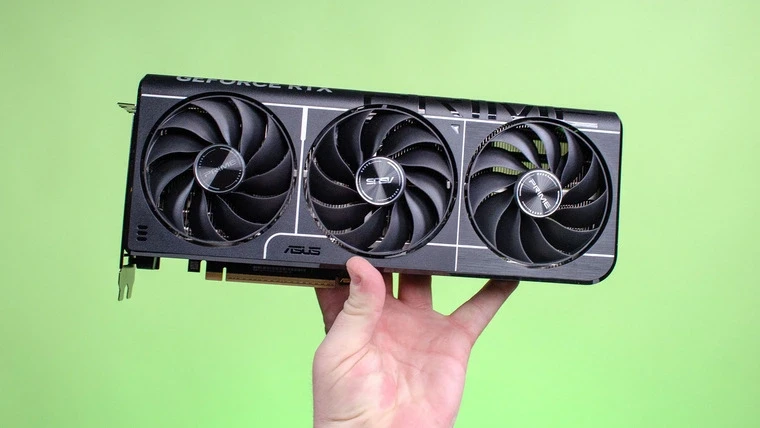
A recent ranking by TechRadar highlights this evolution clearly. The list of the best graphics cards for April 2026 features nine GPUs across different price tiers and use cases—but with one striking detail. Not a single model with 8GB of VRAM made the cut.
That alone says a lot about where the industry is heading.
Table of Contents
Why 8GB VRAM GPUs Are No Longer Enough
For years, 8GB of video memory was considered a comfortable baseline. It handled most games at 1080p and even stretched into 1440p territory. But modern titles, especially AAA releases with advanced textures and ray tracing, are demanding far more.
According to the ranking, GPUs with 10GB, 12GB, 16GB, and even 32GB of VRAM dominate the market now.
This shift isn’t just about gaming either. Creative workloads, AI applications, and real-time rendering tools are pushing memory requirements upward. As a result, manufacturers—and reviewers—are treating 8GB cards as outdated for serious use.
It’s not that they suddenly stopped working. It’s that they no longer represent good long-term value.
The Best Graphics Cards Ranked (From Flagship to Budget)
Radeon RX 9070 XT — The Balanced Flagship
At the very top sits AMD’s Radeon RX 9070 XT, a card that seems to hit a rare sweet spot. It combines strong performance with energy efficiency and a generous 16GB of VRAM, all while maintaining a relatively reasonable price point.
This balance is what makes it stand out. It’s not just powerful—it’s practical.
GeForce RTX 5070 Ti — NVIDIA’s Current Sweet Spot
NVIDIA’s RTX 5070 Ti also earns a spot among the top contenders. With excellent ray tracing capabilities and 16GB of VRAM, it delivers impressive gaming performance across modern titles.
The only drawback? Pricing. It’s currently positioned on the higher end, which may limit its appeal despite its capabilities.
GeForce RTX 5080 — Built for 4K Without Compromise
For those who don’t want to compromise—especially when it comes to 4K gaming—the RTX 5080 stands out. Equipped with a powerful GPU and 16GB of memory, it’s designed for high-end gaming experiences where performance stability matters just as much as peak frame rates.
GeForce RTX 5090 — Overkill for Gaming, Ideal for AI
Interestingly, the RTX 5090 is not positioned as a gaming-first card. With a massive 32GB of VRAM, it’s better suited for professionals working in AI or content creation.
For gaming alone, it’s considered excessive—and expensive.
Intel ARC B580 — The Smart Budget Performer
Intel continues to gain ground with the ARC B580. Offering 12GB of VRAM, it provides solid performance for both 1080p and 1440p gaming, making it one of the best value options currently available.
This is the kind of card that quietly reshapes expectations in the mid-range segment.
Intel ARC B570 — Entry-Level Done Right
For gamers focused on 1080p, the ARC B570 stands out as an affordable yet capable solution. With 10GB of VRAM, it ensures smoother performance than older entry-level GPUs.
It’s a reminder that budget doesn’t have to mean outdated.
GeForce RTX 4070 SUPER — Still Relevant
Despite being part of an earlier generation, the RTX 4070 SUPER continues to hold its ground. It handles 1440p gaming effortlessly and can stretch into 4K with the help of DLSS and frame generation technologies.
This kind of longevity is exactly what many buyers look for.
GeForce RTX 4090 — Last Generation, Still Powerful
Even as a previous-generation flagship, the RTX 4090 remains incredibly capable. With 24GB of VRAM, it still ranks among the best—though availability has become limited.
Sometimes, older doesn’t mean obsolete—it just means harder to find.
Radeon RX 7900 XTX — AMD’s Previous Flagship
AMD’s RX 7900 XTX also earns a place in the ranking, offering a similar 24GB memory configuration. It remains a strong alternative for users who prefer AMD’s ecosystem.
Choosing the Right GPU for Your Needs in 2026
So what does this list really tell us?
First, VRAM matters more than ever. Whether you’re gaming, streaming, or working with AI tools, memory capacity is now a critical factor—not just a spec on paper.
Second, there’s no single “best” GPU for everyone. The right choice depends heavily on your priorities:
- Want cutting-edge gaming? Look at the RX 9070 XT or RTX 5080
- Need value? Intel’s ARC lineup is surprisingly competitive
- Working with AI or content creation? The RTX 5090 makes more sense than any gaming card
And finally, the disappearance of 8GB GPUs from the list isn’t an accident. It reflects a broader shift in expectations. Hardware is evolving—and fast.